


[ Multimodal AI Development ]

AI That Reads Charts, Watches Video and Listens

Most business knowledge is not plain text. We build systems that understand scanned PDFs, slide decks, product photos, call recordings and video together, and answer with references to the exact page, frame or timestamp.

Input types: text, image, audio, video, docs
5
Input types: text, image, audio, video, docs
Select Partner
OpenAI
Select Partner
Weeks to a multimodal pilot
5 to 8
Weeks to a multimodal pilot
Average client rating
4.9/5
Average client rating
Woman sorting printed photos on a wooden table

Example extraction, Docs

Table on page 14: third quarter revenue up 12%

Source: board-report.pdf, page 14

[ Inside the system ]

Inside a Multimodal AI System

We normalize every input into a shared, searchable form, then reason across it with the right models.

  • Docs
  • Image
  • Audio
  • Video
  • Text
  1. 01 Ingestion and extraction

    Turns raw files into clean, linked pieces.

    Layout parser, OCR, Speech to text, Keyframe sampler

  2. 02 Multimodal index

    Stores every format in a way that can be searched together.

    Text embeddings, Image embeddings, Page images, Timestamp index

  3. 03 Reasoning

    Combines evidence from several formats into one answer.

    Multimodal LLMs, Structured output, Cross-checking, Model router

  4. 04 Experience

    Where people upload, ask and review.

    Review workspace, Chat with citations, Mobile capture, API

[ Engineering ]

How We Make Mixed Inputs Work Together

Sending an image to a model is easy. Getting consistent, cited answers across thousands of mixed files takes engineering.

  1. 01Document parsingLayout-aware parsing that keeps tables, headings, figures and page numbers intact, so nothing is lost when PDFs and slides are processed.
  2. 02Image and diagram understandingVision-language models read photos, diagrams, screenshots and charts, with structured output schemas for consistent results.
  3. 03Audio and speechTranscription with speaker labels and timestamps, plus direct audio reasoning where tone or sound matters.
  4. 04Video processingScene detection, keyframe sampling and timestamp indexing so long videos fit model context and stay affordable.
  5. 05Multimodal RAGIndexes that store text chunks, page images and clip embeddings side by side, retrieving across formats for one answer.
  6. 06Model routingEach input goes to the model best suited for it, such as a fast OCR model for forms and a stronger model for reasoning.
  7. 07Grounded citationsAnswers link to the page, bounding box, frame or timestamp they came from, so reviewers can check in one click.
[ Use cases ]

Problems That Need More Than Text

Multimodal AI is worth it when the answer depends on what is in a picture, a table, a recording or a clip.

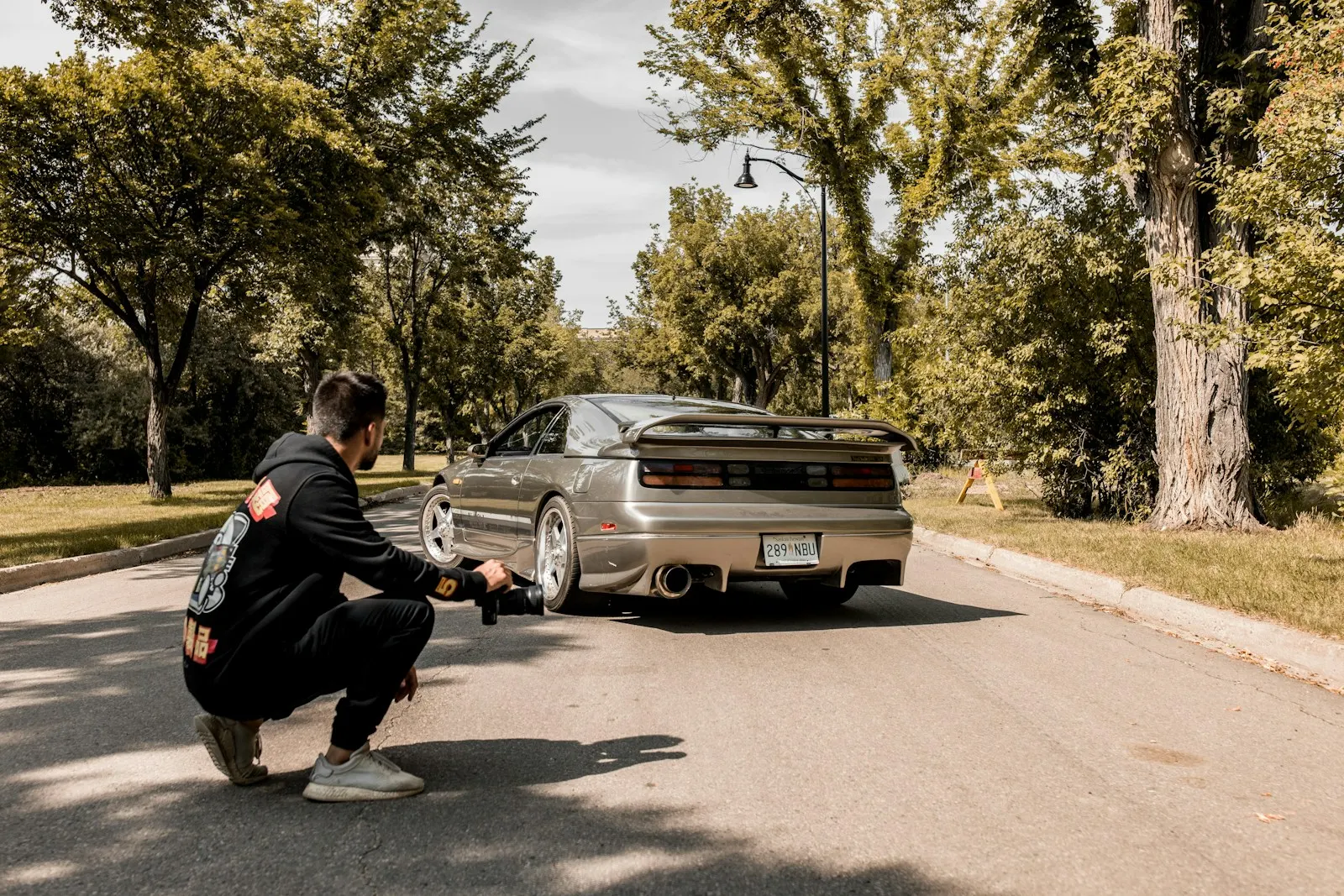
  • Person crouching to photograph the back of a car
    • Image
    • Docs
    • Audio

    Claims and evidence review

    Compare photos, invoices, reports and call recordings in one pass, highlighting where the evidence and the claim disagree.

    Adjusters review exceptions instead of every file

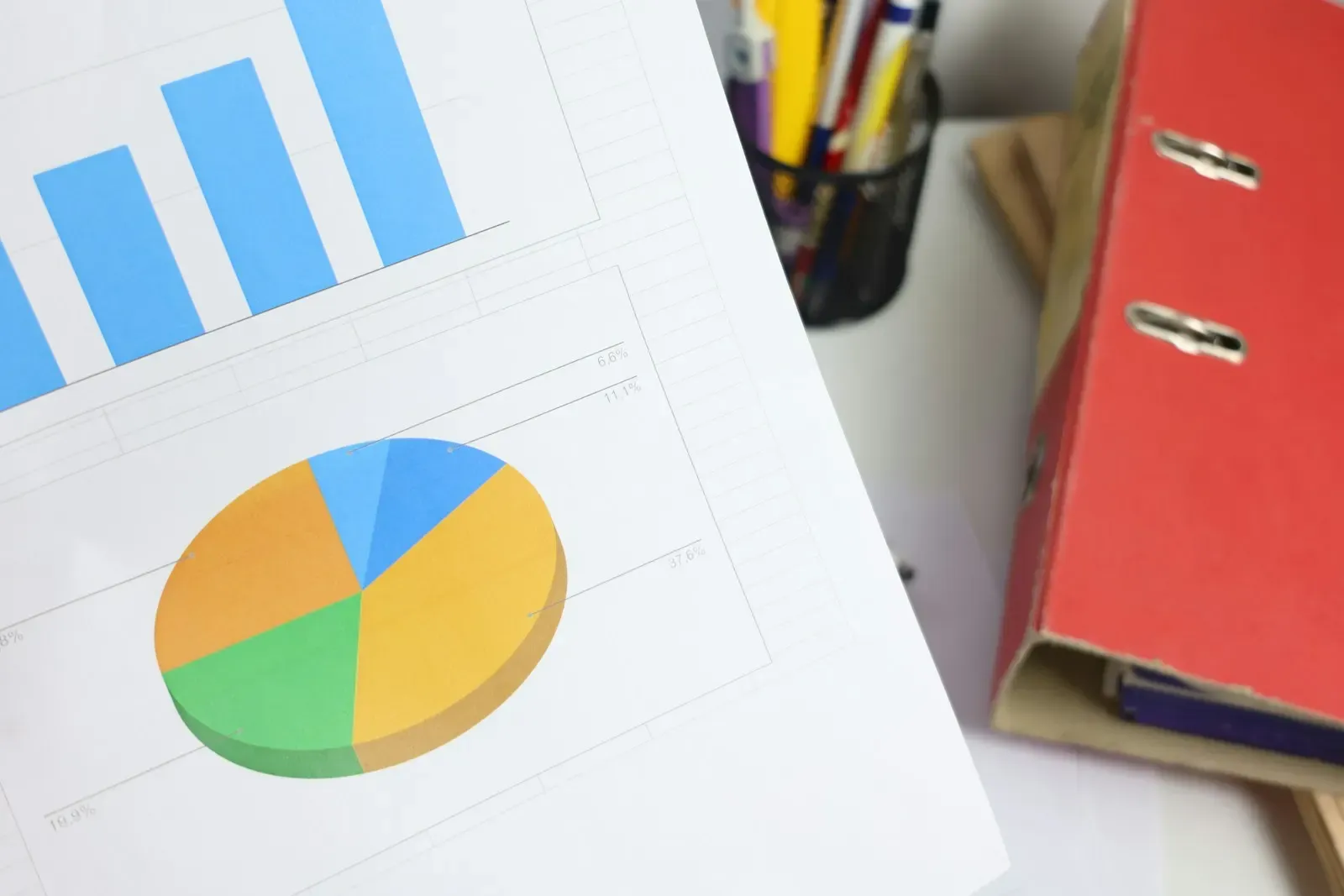
  • Printed bar and pie charts beside office folders
    • Docs
    • Image

    Chart and table reading

    Extract numbers and trends from charts, financial tables and slides inside PDFs and decks, then answer questions with cited values.

    Analysts stop retyping numbers from reports

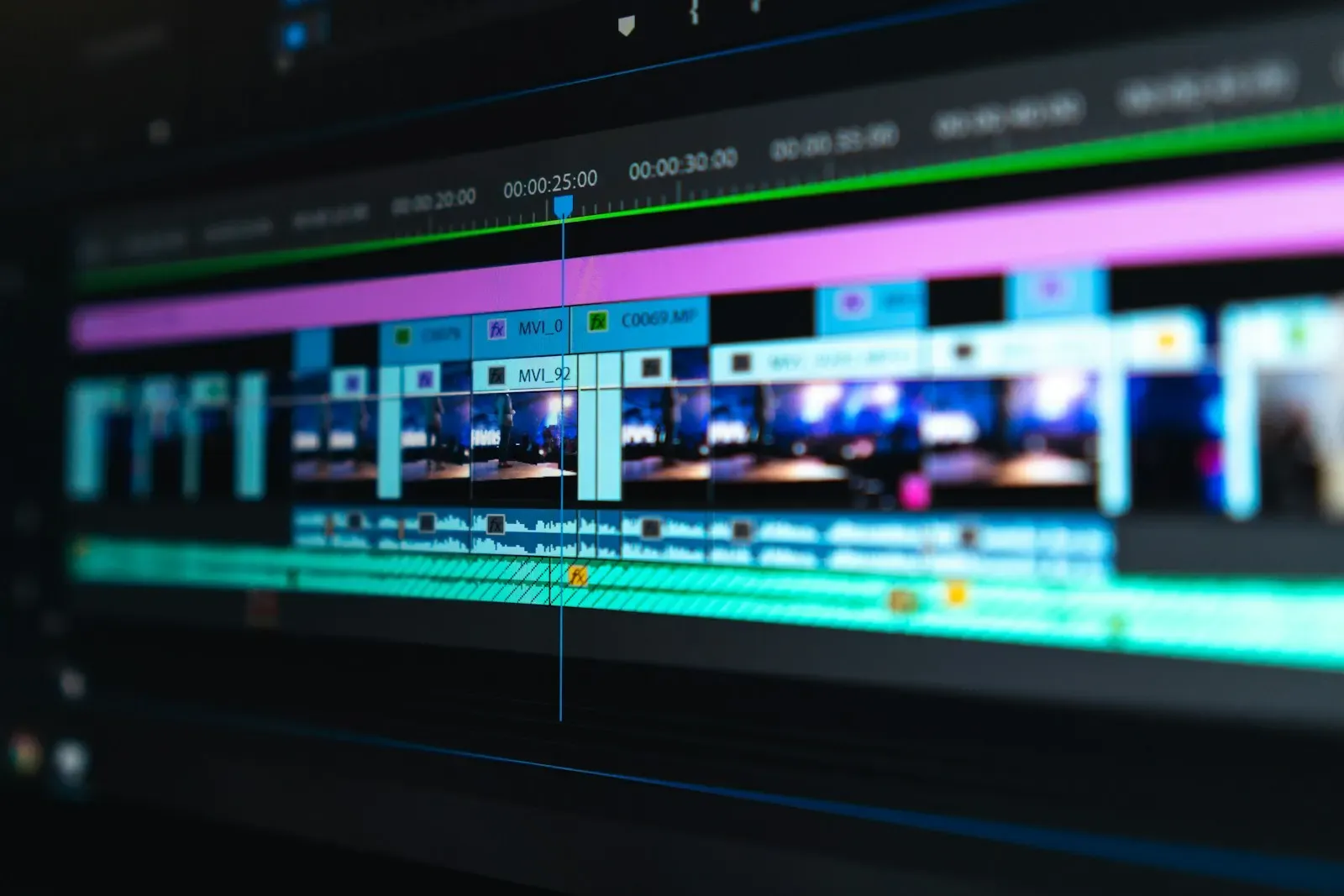
  • Video editing timeline open on a screen
    • Video
    • Audio

    Video understanding

    Summarize, search and tag long recordings such as training videos, site walkthroughs, webinars and inspection footage down to the timestamp.

    Hours of footage searchable like a document

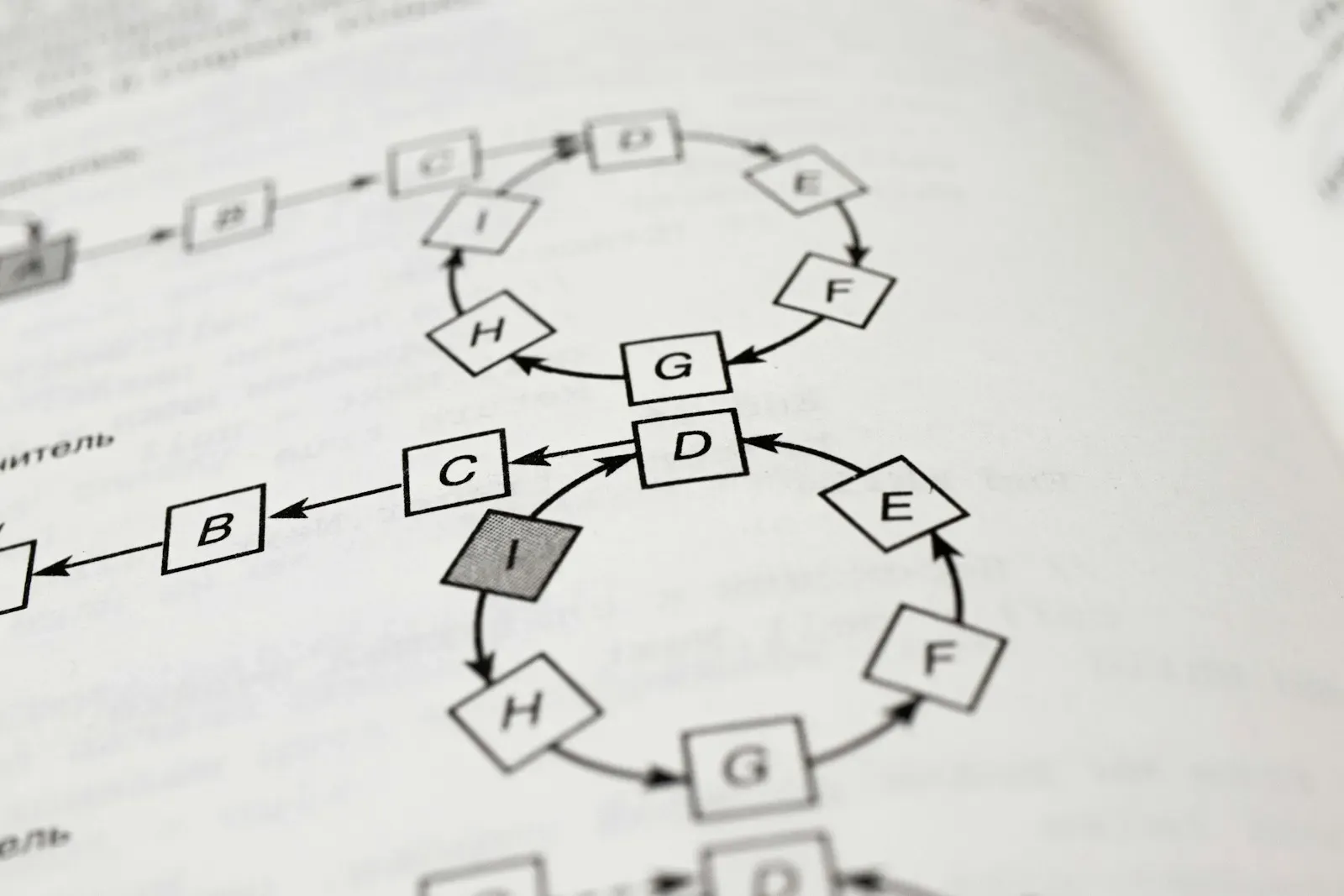
  • Book open at a flow diagram
    • Docs
    • Image
    • Video

    Multimodal knowledge search

    One search across manuals with diagrams, scanned forms, slide libraries and recorded meetings, returning the page, figure or clip that answers.

    Answers grounded in the right diagram or frame

  • Clinician holding a tablet
    • Audio
    • Image
    • Text

    Clinical and field notes

    Combine voice notes, photos and forms captured on mobile into structured records, with a clinician or technician confirming the result.

    Less typing for staff working on their feet

  • Person writing notes by hand
    • Video
    • Image
    • Text

    Learning and content tools

    Turn lectures, diagrams and handwritten work into summaries, quizzes and feedback that reference the original material.

    Course content reused across formats

[ One week ]

Start With a Sample of Your Files

Send us a representative mix of documents, images, recordings and clips. We test models on them and show you where multimodal AI is accurate enough to use.

Book the File Sampling
Person sketching charts beside a laptop
[ Working with real evidence ]

AI Systems Working With Real Evidence

Products where AI reads documents and mixed inputs to give grounded answers.

Digital health

Healthzy

The challenge
Patients searched symptoms online, kept reports in scattered files and waited days for short appointments with no context.
What changed
One app holds the family's history, answers questions in minutes and hands the doctor a clean summary when a visit is needed.

Results after launch

Consultations
50k+AI consultations completed on the platform
Response
<2 minfrom first message to a structured assessment
Return users
46%come back within 30 days for a new question
Records
3.2xmore reports uploaded per user after family profiles launched

[ Technology stack ]

Multimodal Models and Tools

Native multimodal models have improved quickly. We benchmark them on your files, since accuracy on charts or handwriting varies a lot between models.

  • OpenAI GPT
  • Gemini
  • Claude
  • Qwen Omni
  • Llama vision
  • Pixtral
[ Per-format controls ]

Handling Sensitive Images, Audio and Files

Mixed inputs often carry faces, voices, signatures and health data. Controls are set per format.

  • 01

    Format-specific redaction

    PII is masked in text, faces and IDs are blurred in images, and names are removed from transcripts before data reaches a model.

  • 02

    Per-modality evaluation

    We test chart reading, OCR accuracy, transcription word error rate and answer correctness separately, so weak spots are visible.

  • 03

    Verifiable answers

    Every answer cites its source page, region, frame or timestamp, and unsupported claims are flagged instead of stated.

  • 04

    Retention and residency

    Raw media can stay in your storage and region, with zero-retention model endpoints and an ISO 27001 certified delivery team.

[ Client voices ]

Clients on Working With Us

  • 5.0Clutch
  • 5.0GoodFirms
  • 5.0Google
  • 4.9Upwork
I had the pleasure of working with Sajal Tech on a travel website, and it was an incredible experience from start to finish. They demonstrated professionalism, clear understanding of requirements, and excellent communication throughout.
DKDaniel KwekaCEO, Darius Digital
Knowledgeable, efficient, and ahead of schedule. Will hire again.
TMTom McGrathFounder, Tipperary | eIrish.com
They completed our project even when the scope changed slightly. They were cooperative when we wanted to add or modify features.
AUArda UygurFounder, Hallolur
[ Industries ]

Multimodal AI by Industry

Where files, photos and recordings already pile up and someone has to read them all.

  • Person photographing a car with a camera

    Insurance

    Claims files that mix photos, invoices, reports and call recordings, reviewed in one pass with every disagreement flagged.

    • Claims evidence review
    • Damage photo checks
    • Call summaries
  • Two clinicians reviewing a tablet together

    Healthcare

    Voice notes, wound photos and forms captured on mobile turned into structured records a clinician confirms.

    • Field and clinical notes
    • Scanned form intake
    • Image annotations
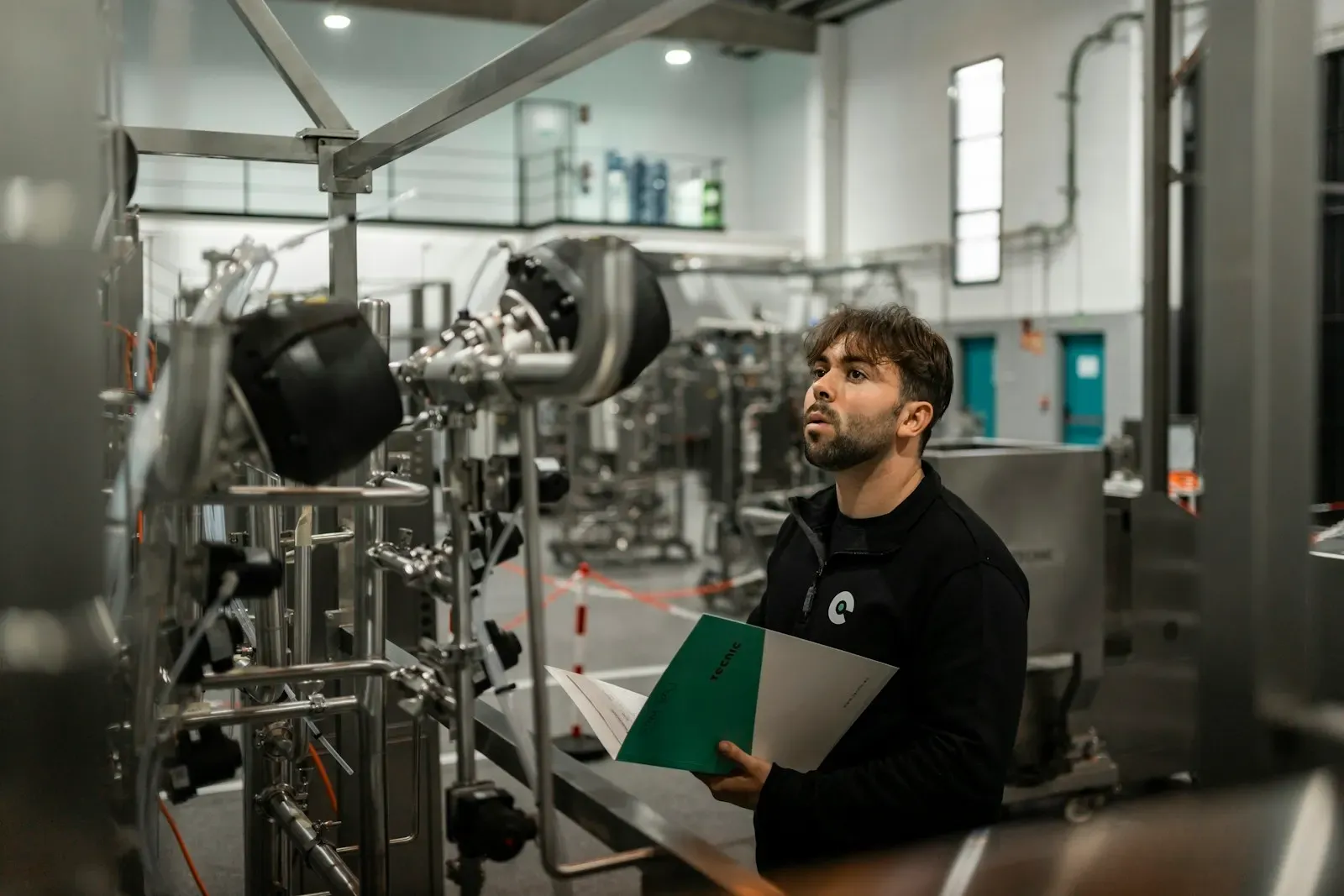
  • Engineer with a clipboard inspecting factory equipment

    Manufacturing

    Manuals with diagrams, inspection photos and site walkthrough videos searchable together down to the frame.

    • Manual and diagram search
    • Inspection video tagging
    • Maintenance records
[ How we deliver ]

How a Multimodal Project Runs

We start with a realistic sample of your messiest files, because that is where multimodal systems succeed or fail.

  1. 1 week

    File sampling

    Collect representative documents, images, recordings and clips, define the questions users ask and build a scored test set.

    • Test set
    • Model shortlist
    • Fixed quote
  2. 1 to 2 weeks

    Model bake-off

    Run candidate models and parsers on the test set, comparing accuracy, latency and cost per file.

    • Benchmark report
    • Chosen pipeline
  3. 3 to 5 weeks

    Pilot build

    Ingestion, index, reasoning and review interface built and demoed weekly on your real files.

    • Working pilot
    • Eval scores
    • Cost estimate
  4. Ongoing

    Launch and expand

    Roll out to users, add new file types and retune routing as newer multimodal models are released.

    • Production system
    • Monthly report
[ Pricing ]

Multimodal AI Pricing

Indicative starting prices. Model and transcription usage is billed to your account, and we estimate cost per file before you commit.

  • Multimodal integration

    Add image, document or audio understanding to an existing product feature.

    From$4,000

    2 to 3 weeks

    • One or two input types
    • Model benchmark
    • Structured output and citations
    • 30 days of support
  • Multimodal application

    Most chosen

    A full review or search application across several file types.

    From$15,000

    6 to 9 weeks

    • Ingestion pipeline
    • Multimodal RAG index
    • Review workspace
    • Evaluation suite
  • Enterprise multimodal platform

    High-volume processing of documents, media and recordings across teams.

    From$40,000

    3 to 6 months

    • Batch and streaming ingestion
    • Model routing and cost controls
    • SSO and audit logging
    • Ongoing tuning
[ FAQ ]

Multimodal AI Questions

  • It means one system that can take in text, images, audio, video and documents and reason across them. For example, checking whether photos support a repair estimate, or answering a question using both a manual's text and its wiring diagram.

  • Adding one multimodal feature to an existing product starts from $4,000. A complete review or search application usually starts around $15,000, and enterprise platforms from $40,000. Model costs depend on file volume, and we estimate cost per file during the pilot.

  • Modern models read clean charts and tables well, but accuracy drops on dense, low-resolution or handwritten material. We test on your actual files, combine layout parsers with vision models and flag low-confidence values for review.

  • We split videos into scenes, sample keyframes and transcribe audio, then index everything by timestamp. That keeps processing affordable and lets users jump straight to the moment that answers their question.

  • Multimodal RAG retrieves page images, figures and clips as well as text before the model answers. You need it when important information lives in diagrams, scanned pages or recordings that text-only search would miss.

  • It depends on the input. Gemini handles long video and audio well, GPT is strong on charts and reasoning, and open models like Qwen can run in your own cloud. We run a bake-off on your files and often route between two or three models.

  • Interactive questions on a few files usually answer in a few seconds. Large batches, such as thousands of PDFs or hours of video, run as background jobs, and we size them to your deadlines and budget.

  • Yes. Files can stay in your storage and region, sensitive content is redacted per format before it reaches a model, and we use enterprise endpoints that do not train on your data.

  • You own all code, prompts, index schemas and evaluation sets. We document the pipeline so your team can add new file types or switch models later.

[ Contact ]

Let's build your next product together

Book a free strategy call and leave with a clear plan and estimate. No commitment.

  1. 01Pick a time that suits you
  2. 0230 minutes on scope, stack, timeline and budget
  3. 03Fixed-price proposal, NDA on request
Prefer email? contact@sajaltech.com