[ IoT Development ]

Connected Devices Your Team Can Monitor and Update Remotely

A working prototype on a bench is a long way from a fleet of devices in the field. We build the firmware, connectivity, cloud backend, dashboards and mobile apps as one system, so every device reports reliably and can be updated without a site visit.

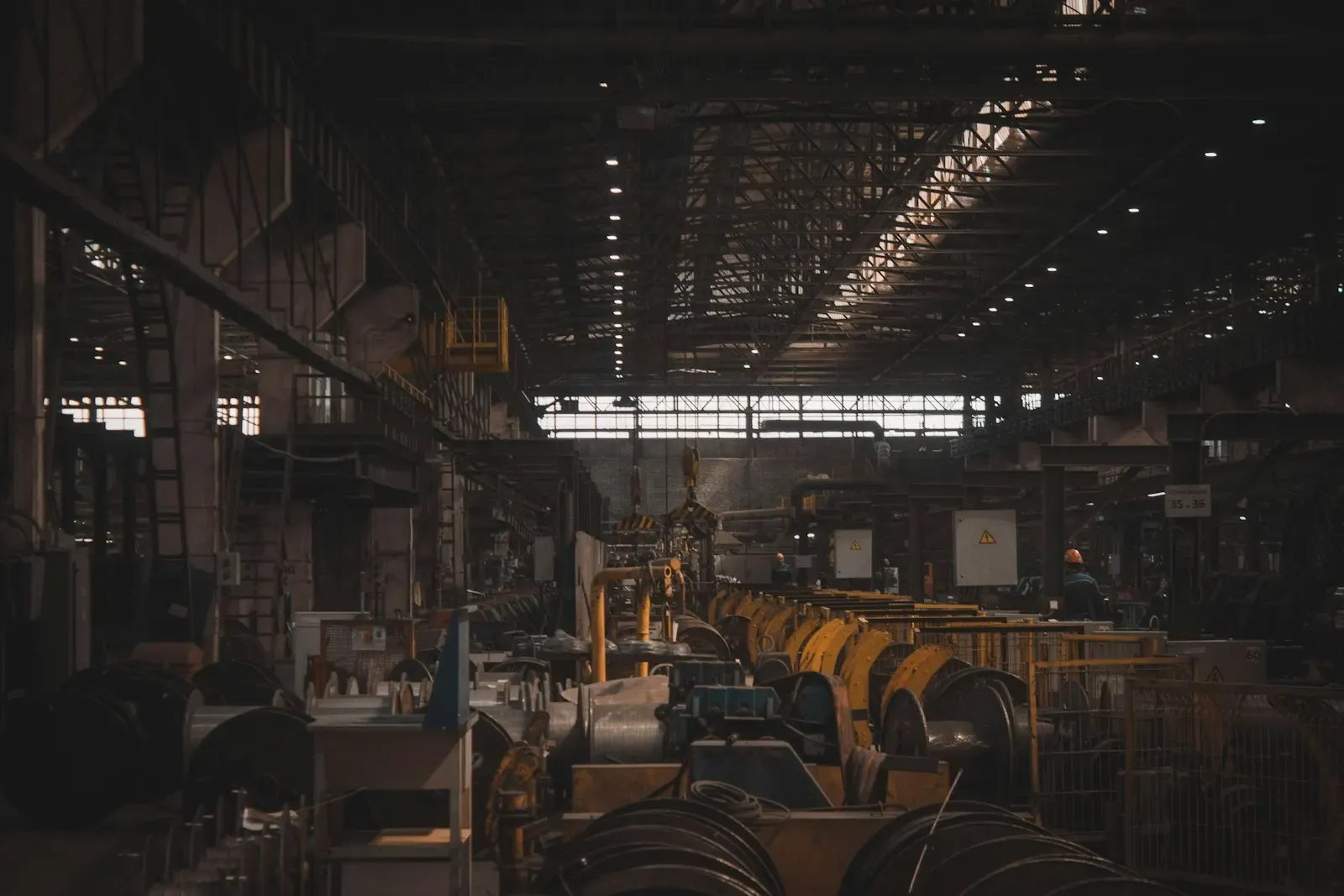
Factory floor full of connected machines

Firmware 2.4.1, example fleet

0 / 288

devices updated over the air, signed and verified

Signed remote updates
OTA
Signed remote updates
And BLE connectivity
MQTT
And BLE connectivity
Inception program member
NVIDIA
Inception program member
(01)What we build

IoT Development Services

Take on a single layer, such as a cloud platform for existing hardware, or the complete connected product.

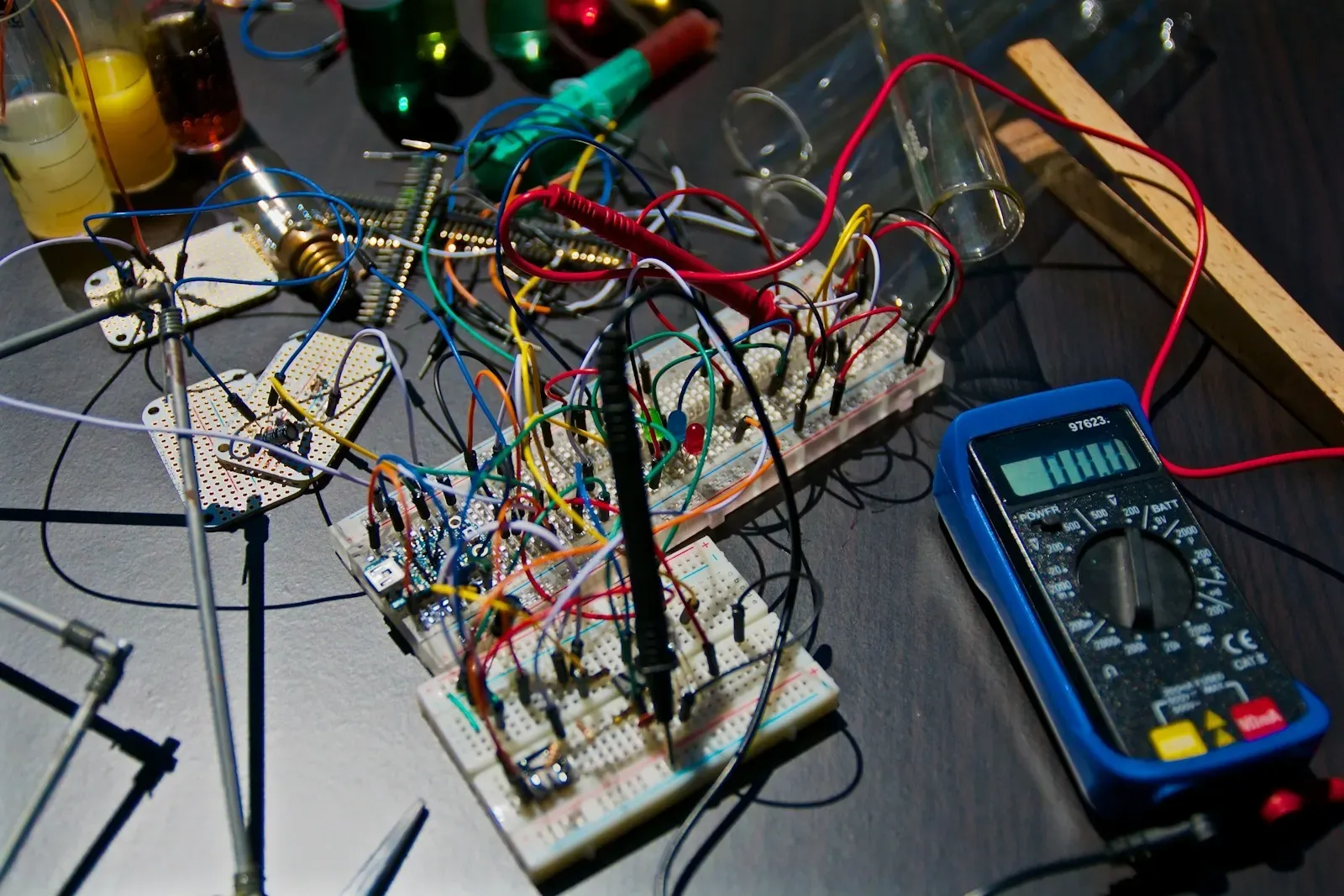
Prototype circuit boards on a test bench with a multimeter01 On the device
  • Embedded Firmware

    Firmware in C, C++ or Rust for ESP32, STM32 and Nordic chips, on FreeRTOS or Zephyr, with low-power modes for battery devices.

    RTOS-based firmware · Power budget tuning · Hardware-in-the-loop tests

  • BLE, MQTT and Connectivity

    Bluetooth Low Energy, Wi-Fi, LoRaWAN and cellular links, with MQTT messaging designed for intermittent networks.

    BLE GATT profile · MQTT topic design · Reconnect and retry logic

  • Edge Gateways

    Linux gateways that bridge Modbus, OPC UA and BLE devices to the cloud, filter data locally and keep working offline.

    Protocol bridging · Local buffering · Edge rules engine
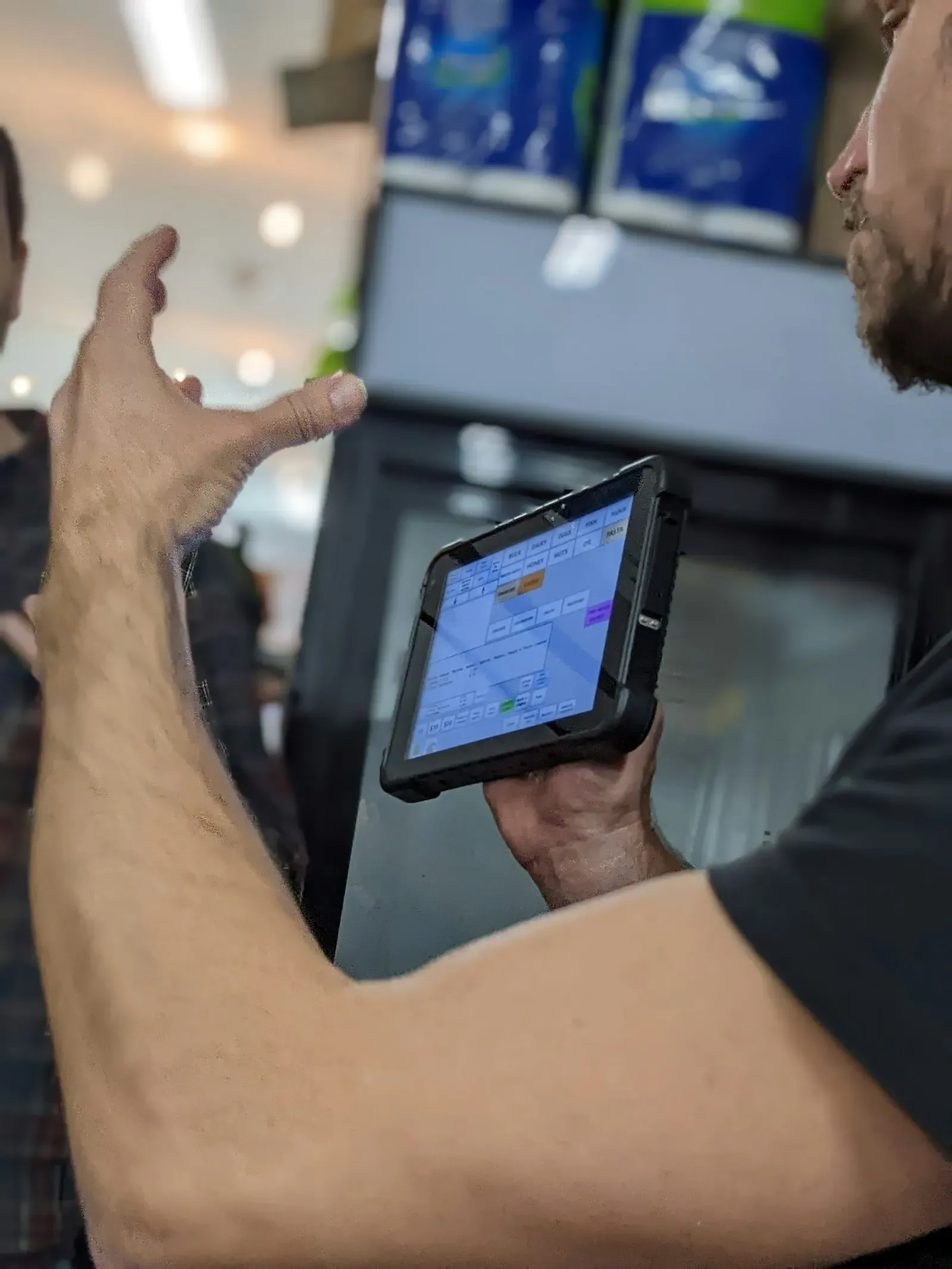
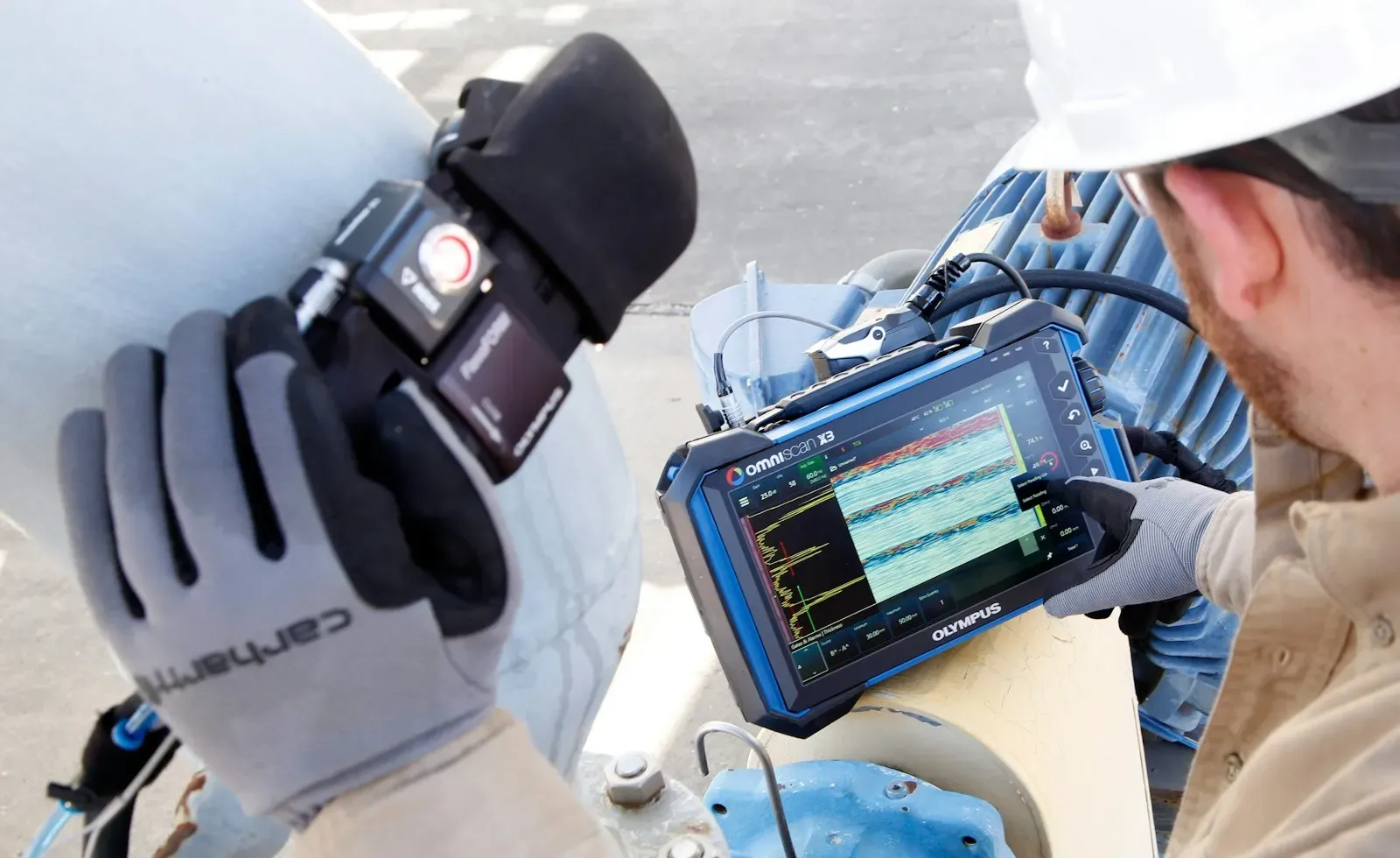
Person holding a rugged tablet showing device data02 In the cloud
  • Cloud IoT Platforms

    Device registry, message ingestion and time series storage on AWS IoT Core, Azure IoT Hub or a self-hosted EMQX stack.

    Device provisioning · Telemetry ingestion · Time series database

  • Monitoring Dashboards

    Web dashboards for live device status, alarms, historical trends and fleet maps, with role-based access for customers and staff.

    Live fleet view · Alarm management · Historical charts

  • OTA Firmware Updates

    Signed, staged firmware rollouts with automatic rollback, so a bad release never bricks devices in the field.

    Signed update packages · Staged rollout groups · Automatic rollback

Engineer reading sensor data on a handheld device in the field03 In people's hands
  • Predictive Maintenance

    Anomaly detection and failure prediction on vibration, temperature and current data, turned into work orders before a breakdown.

    Anomaly detection models · Health scores per asset · Maintenance alerts

  • Companion Mobile Apps

    iOS and Android apps for device pairing, setup, control and notifications, built in Flutter or React Native.

    BLE pairing flow · Device control screens · Push alerts

  • IoT Security

    Secure boot, per-device certificates, encrypted transport and credential rotation across the full fleet lifecycle.

    X.509 device certificates · Secure boot chain · Certificate rotation

(02)Why end to end

Most IoT projects stall between the device and the cloud

Hardware teams ship firmware, a different vendor builds the cloud, and a third builds the app. Each piece works on its own, but devices drop offline, messages arrive out of order and nobody owns the update process. One team owning the full path, from sensor reading to dashboard, removes those gaps and makes the fleet manageable as it grows from ten devices to ten thousand.

  1. 01Device
  2. 02Gateway
  3. 03Cloud
  4. 04Dashboard
  5. 05App
  • One owner from chip to chart

    Firmware, protocols, backend and apps are designed together, with shared message schemas and test plans.

  • Built for unreliable networks

    Local buffering, retries and store-and-forward at the edge keep data intact through dropped connections.

  • Secure from first boot

    Unique device identities, certificate-based authentication and signed firmware protect the fleet from tampering.

  • Data that predicts problems

    Telemetry flows into time series storage and models that flag failing equipment before it stops.

(03)How we deliver

From Bench Prototype to Field Pilot in Fourteen Weeks

Hardware, firmware and software tracks run in parallel and meet at a field pilot on real devices.

Device and firmware

  1. Requirements and hardware review

    Weeks 1 to 2

  2. Firmware and edge development

    Weeks 3 to 10

  3. Integration and OTA testing

    Weeks 10 to 12

  4. Field pilot and handover

    Weeks 12 to 14

Cloud, dashboard and app

  1. System architecture

    Weeks 2 to 3

  2. Cloud, dashboard and app

    Weeks 4 to 11

  1. Requirements and hardware review

    Use cases, sensor and power requirements, connectivity options and a review of any existing hardware or schematics.

  2. System architecture

    Message schemas, device lifecycle, security model and cloud design agreed across firmware, backend and app teams.

  3. Firmware and edge development

    Firmware sprints on development boards, then target hardware, with hardware-in-the-loop tests and power profiling.

  4. Cloud, dashboard and app

    Device registry, ingestion, dashboards and the companion app built against a device simulator until real hardware is ready.

  5. Integration and OTA testing

    End-to-end tests on real devices, network drop scenarios, load tests with simulated fleets and OTA rollback drills.

  6. Field pilot and handover

    A pilot batch deployed at a real site, monitored closely, then handed over with runbooks and 30 days of hypercare.

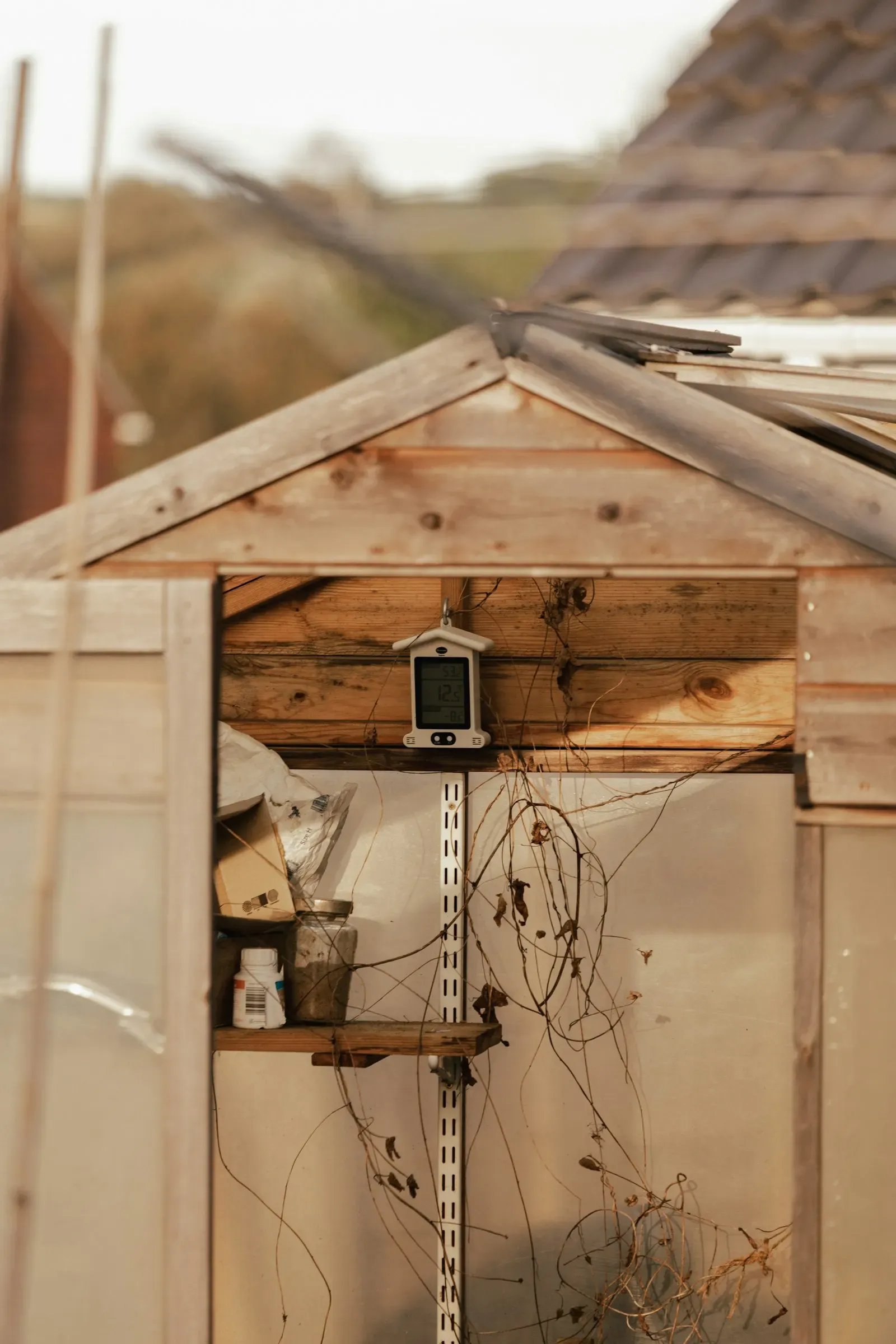
Sensor unit mounted inside a wooden greenhouse
[ Proof of concept ]

From Bench Prototype to a Working Pilot

We review your hardware and requirements, then build a small end-to-end slice, device to dashboard, so you can test the idea in the field before scaling.

Plan the Proof of Concept
Signed updates by default
OTA
Signed updates by default
Code and IP yours
100%
Code and IP yours
[ IoT stack ]

The IoT Stack, From Device to Dashboard

Proven chips, protocols and platforms chosen for your power, range and scale requirements.

  • ESP32
  • STM32
  • Nordic nRF52
  • FreeRTOS
  • Zephyr
  • C++
  • Rust
(04)Why us

Why Hardware Teams Work With Sajal Tech

  • Full stack ownership

    Firmware, cloud, dashboards and apps come from one senior team, so integration issues get fixed in one place.

  • Signed OTA by default

    Every device we ship can receive signed updates with staged rollout and rollback from the first release.

  • Simulated fleet testing

    Device simulators let software teams build and load test before hardware arrives, which shortens the schedule.

  • 100% code and IP ownership

    Firmware source, cloud code and app code are yours, including signing keys and build pipelines.

Person checking a connected-home app on a phone
Average client rating4.9/5
[ Client voices ]

Teams Behind Connected Products

“I had the pleasure of working with Sajal Tech on a travel website, and it was an incredible experience from start to finish. They demonstrated professionalism, clear understanding of requirements, and excellent communication throughout.”
[ Pricing ]

What IoT Development Costs

Indicative starting prices for software and firmware work, excluding hardware manufacturing. A fixed quote follows a free 30-minute scoping call.

Option 1

Proof of concept

A working prototype on development boards with basic cloud telemetry and a simple dashboard.

From

$8,000

Timeline

4 to 6 weeks

  • Prototype firmware
  • MQTT cloud ingestion
  • Basic dashboard
  • Demo-ready setup

Option 2

Connected product

Production firmware, cloud platform, dashboard and companion app for one device type.

From

$30,000

Timeline

12 to 16 weeks

  • Production firmware
  • Cloud IoT platform
  • Companion mobile app
  • Signed OTA updates
  • 30 days of support

Option 3

Industrial IoT platform

Multi-site deployments with edge gateways, predictive maintenance and enterprise integrations.

From

$60,000

Timeline

4 to 9 months

  • Edge gateway software
  • Predictive maintenance models
  • ERP and CMMS integration
  • SLA-backed support
[ FAQ ]

IoT Development Questions

  • Our core work is firmware, connectivity, cloud, dashboards and apps. We review schematics and work closely with your hardware designer or contract manufacturer, and can recommend partners if you need PCB design.

  • A proof of concept on development boards starts around $8,000. A production connected product with firmware, cloud and an app typically starts at $30,000, and multi-site industrial platforms at $60,000. Hardware and manufacturing costs are separate.

  • BLE suits short-range devices paired with a phone. Wi-Fi works indoors where power is available, LoRaWAN covers long range at very low data rates, and LTE-M or NB-IoT fit mobile assets. We pick based on range, power budget, data volume and per-device running cost.

  • Managed platforms like AWS IoT Core and Azure IoT Hub reduce operational work and include device registries and security. A self-hosted broker such as EMQX can be cheaper at large fleet sizes or when you need to run on-premise. We model costs for your expected fleet before deciding.

  • Devices use dual firmware partitions, so a new image is written alongside the current one and only activated after it boots and passes health checks. Updates are signed, rolled out to small groups first and rolled back automatically if checks fail.

  • Each device gets a unique identity and X.509 certificate, communicates only over TLS, and runs signed firmware verified by secure boot. Debug ports are locked in production builds and credentials can be rotated remotely.

  • Yes. Edge gateways read data from PLCs and sensors over Modbus, OPC UA or serial, filter it locally and send it to the cloud. That avoids replacing working equipment.

  • We collect vibration, temperature or current readings over a baseline period, train anomaly detection models on normal behavior, and alert when an asset drifts from it. Alerts can create work orders in your maintenance system automatically.

  • Yes. We build Flutter or React Native apps for pairing, setup, control and notifications, using the same backend APIs as the dashboard so data stays consistent.

[ Contact ]

Let's build your next product together

Book a free strategy call and leave with a clear plan and estimate. No commitment.

  1. 01Pick a time that suits you
  2. 0230 minutes on scope, stack, timeline and budget
  3. 03Fixed-price proposal, NDA on request
Prefer email? contact@sajaltech.com