[ Computer Vision Development ]
Vision Systems That Catch Defects Before Customers Do
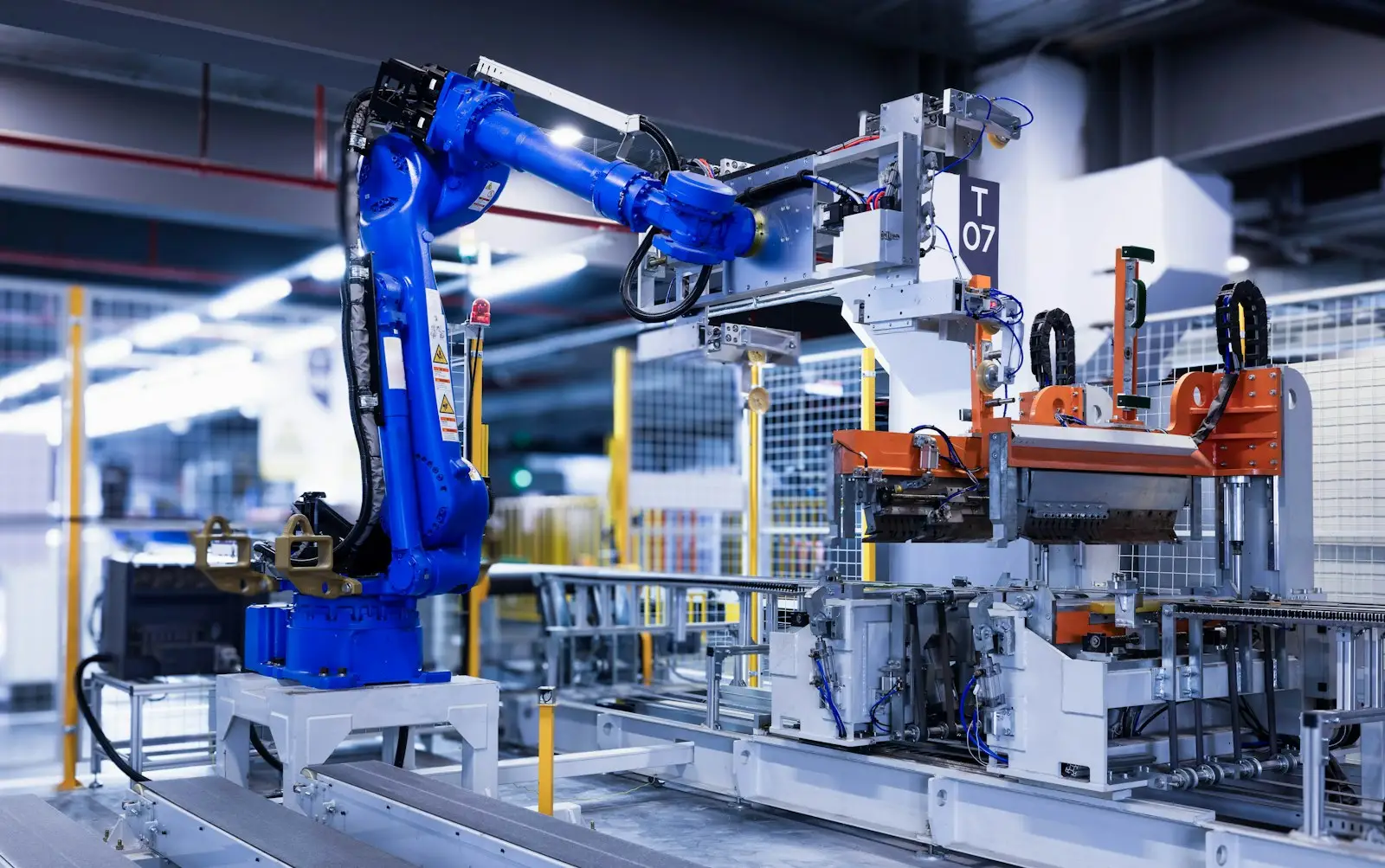
We build computer vision models that detect objects, read documents, inspect parts and watch video streams, tuned on your own images and edge cases. They run on cameras at the line, on Jetson devices or in your cloud.


- or cloud deployment, your choice
- Edge
- or cloud deployment, your choice
- Weeks to a station pilot on your images
- 5 to 10
- Weeks to a station pilot on your images
- Inception program member
- NVIDIA
- Inception program member
- Certified handling of image data
- ISO 27001
- Certified handling of image data
What Cameras Can Do for Your Operations
Vision pays off where people spend hours looking at things: parts, papers, shelves, screens or sites.
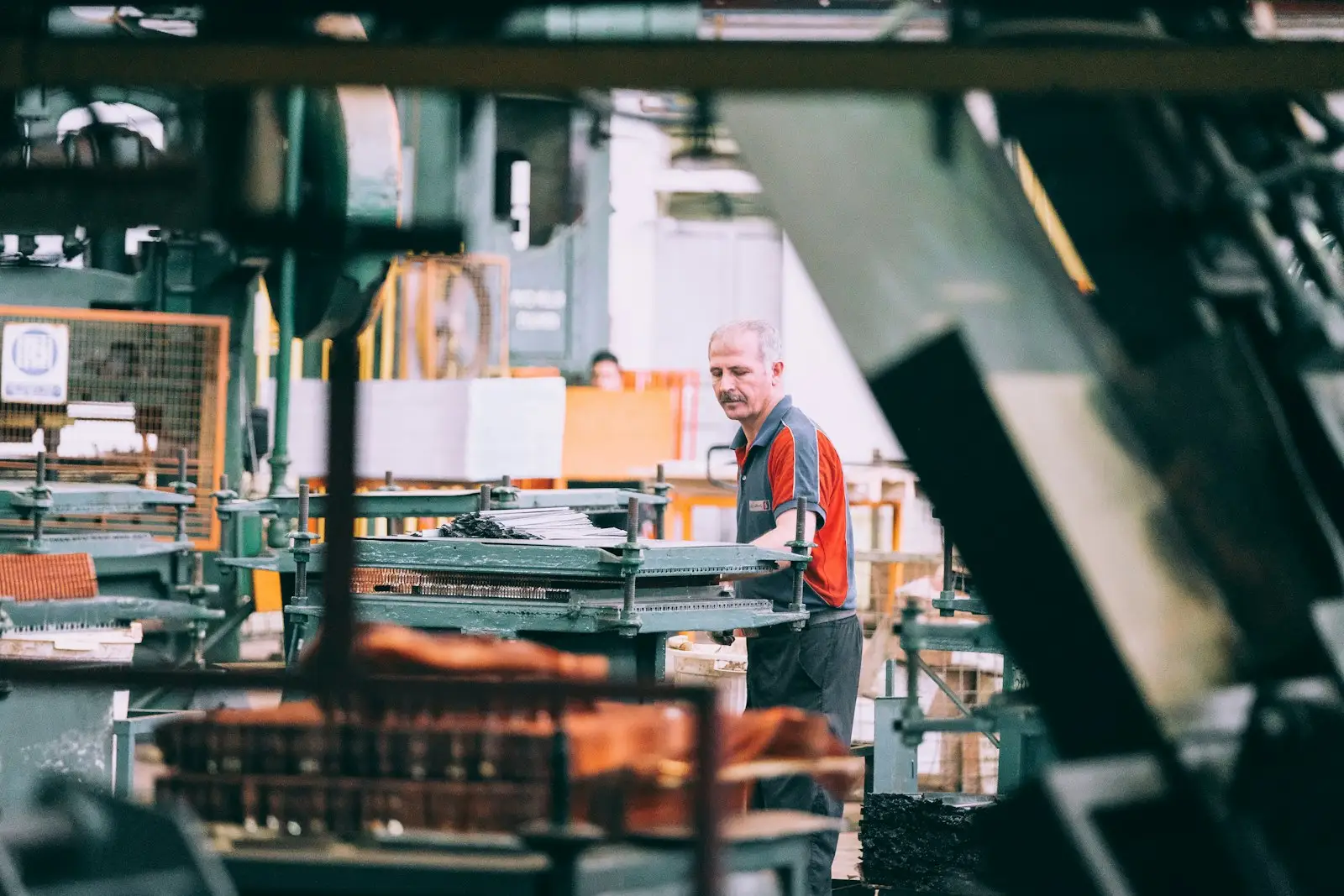
Visual inspection and defect detection
Models that find scratches, dents, missing components, misprints and weld flaws on the production line, trained on your good and bad samples.
Consistent inspection on every part, every shift

OCR and document AI
Extraction from invoices, IDs, bills of lading, forms and handwritten notes, with layout understanding and field-level confidence for review.
Data entry replaced by checking flagged fields
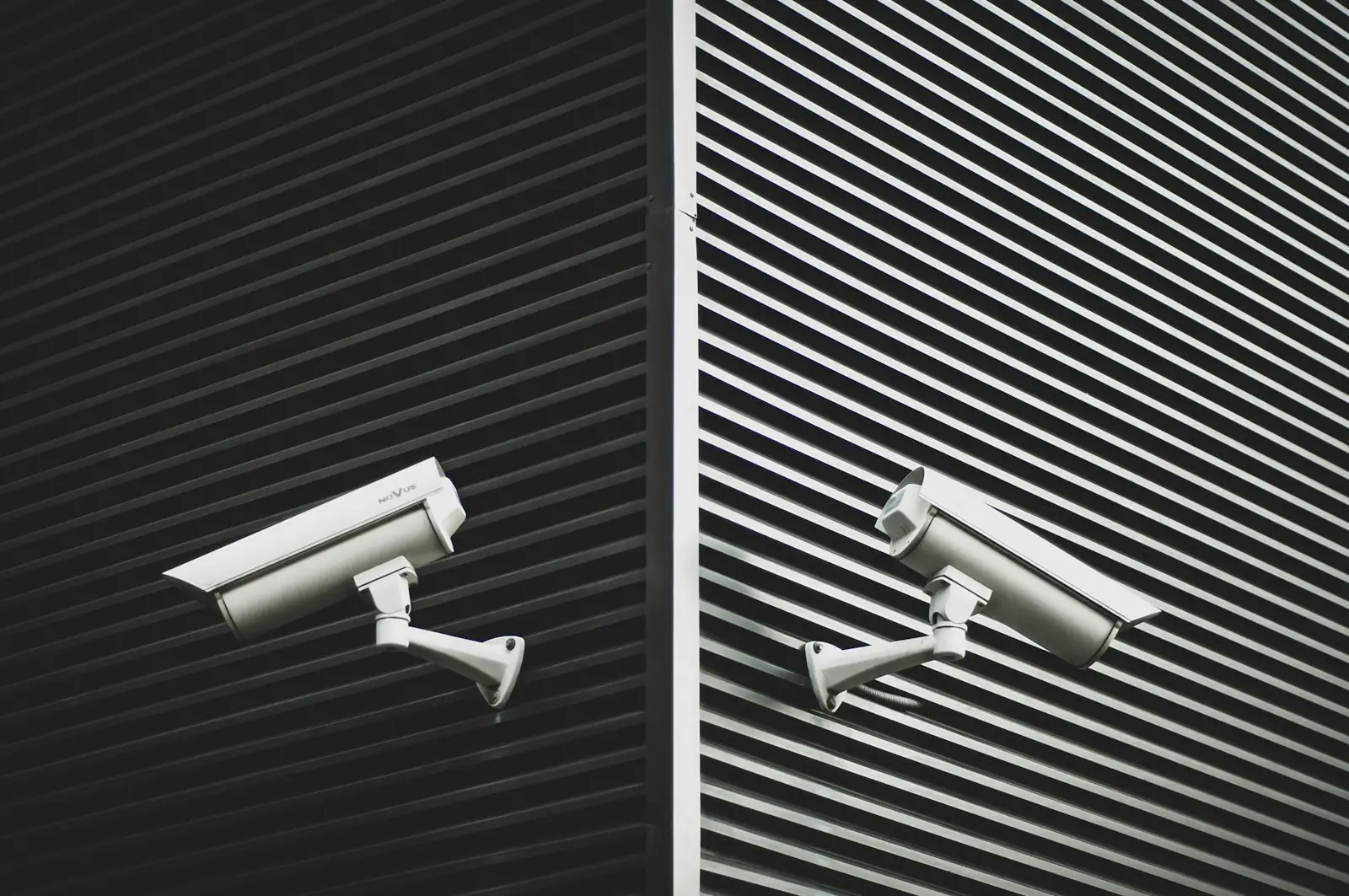
Video analytics
Counting, tracking and zone rules on CCTV and IP camera feeds for footfall, queue length, dwell time and safety gear compliance.
Live operational data from cameras you already own
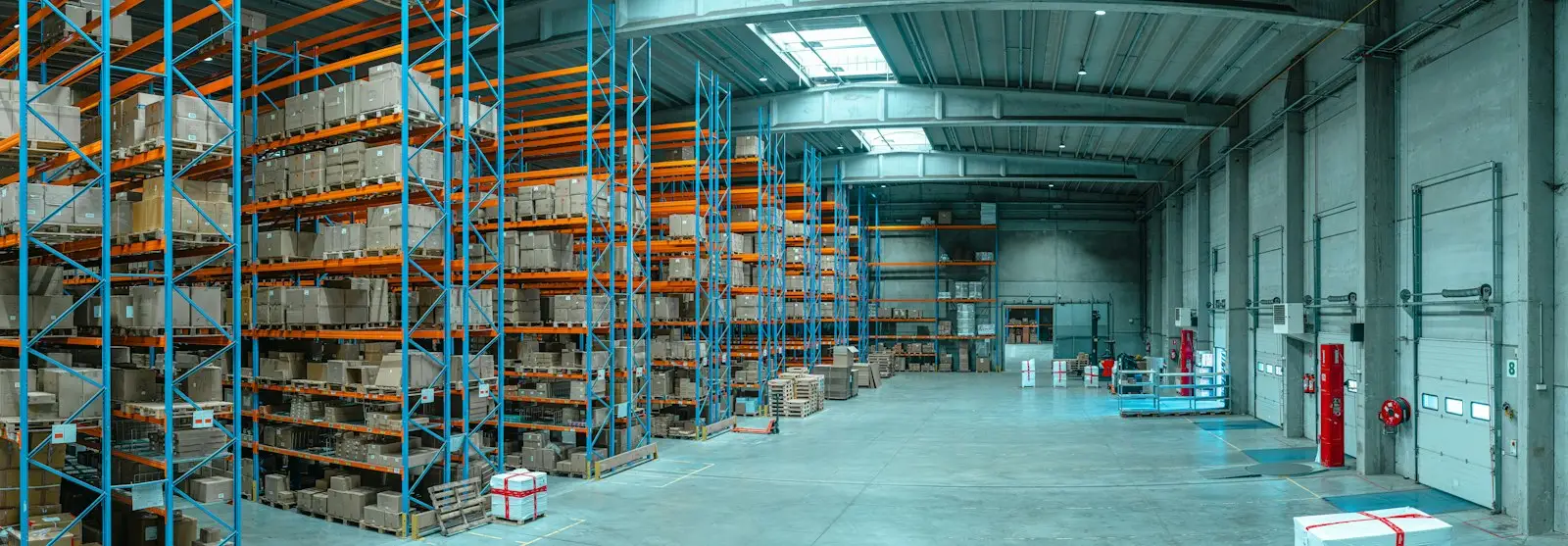
Logistics and inventory
Package dimensioning, label and barcode reading, pallet counting and damage detection at docks and in warehouses.
Fewer mis-shipments and faster receiving
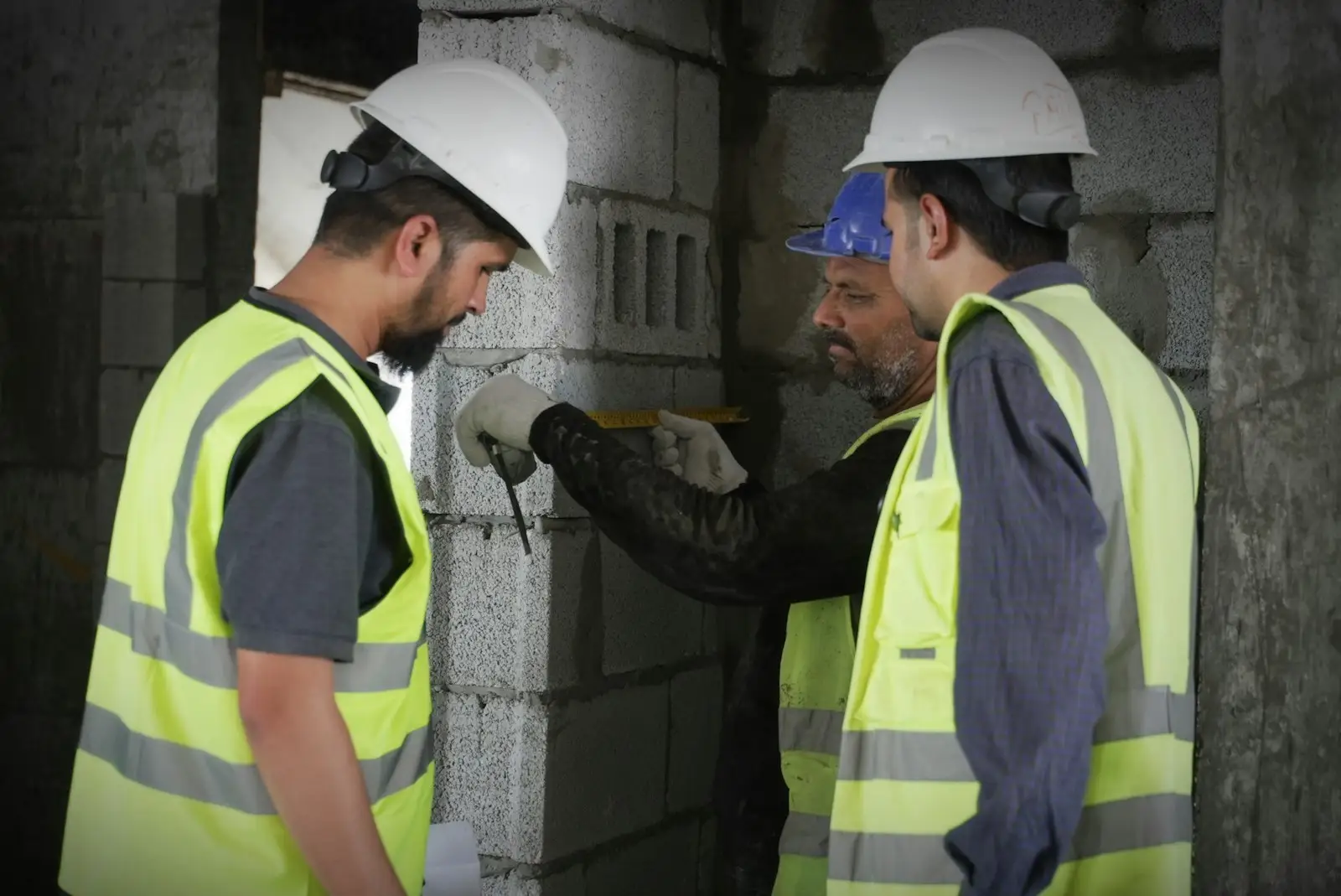
Workplace safety
Detection of missing helmets or vests, people in restricted zones and unsafe forklift proximity, with alerts sent to supervisors.
Incidents spotted while they can still be prevented
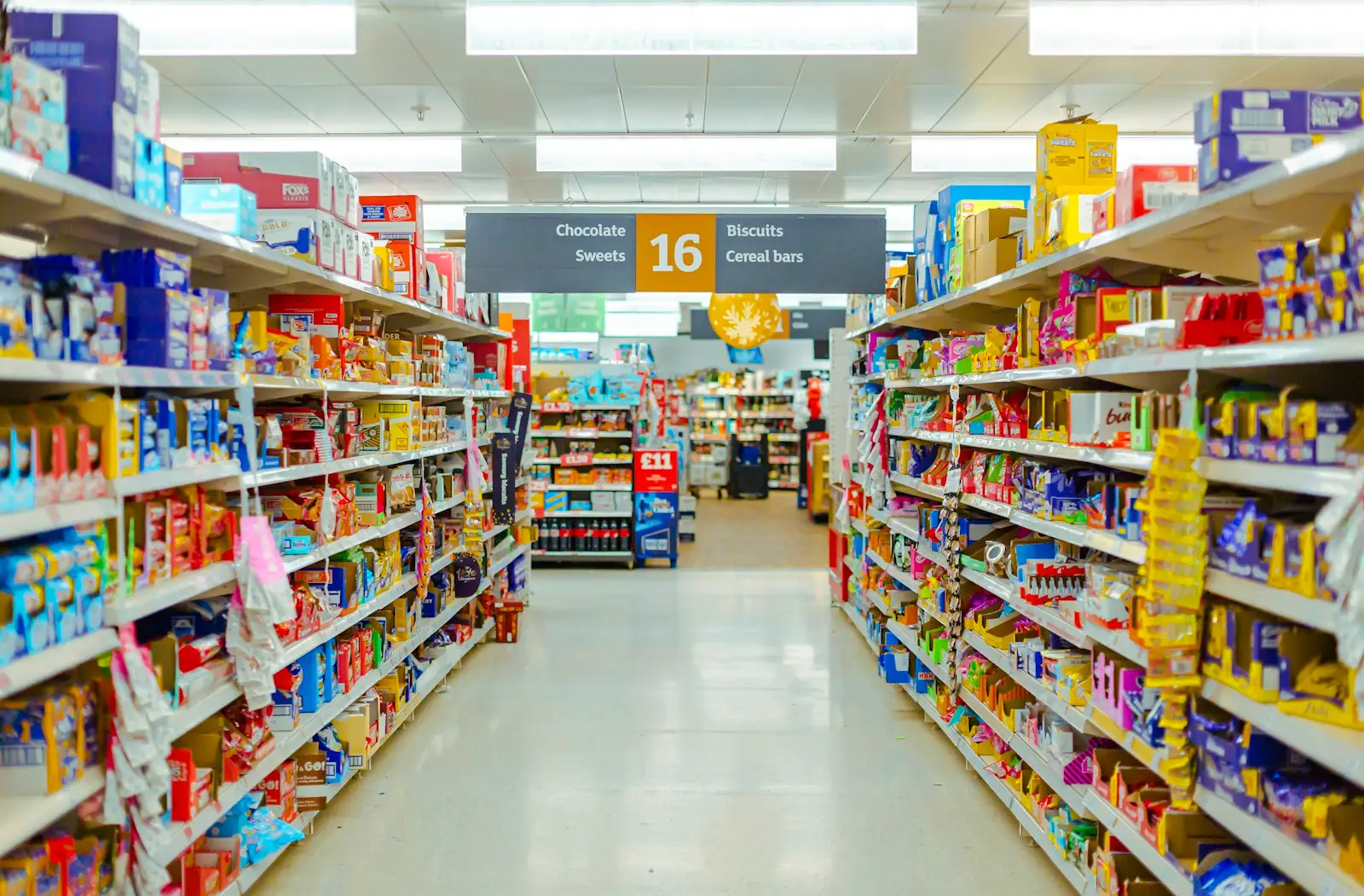
Retail shelf and product recognition
Planogram compliance, out-of-stock detection and product recognition from shelf photos taken by staff or fixed cameras.
Shelf gaps found in minutes, not on the next audit
Vision Capabilities We Build and Tune
Accuracy in a demo is easy. Accuracy under your lighting, angles and part variations is the actual work.
Object detection and tracking
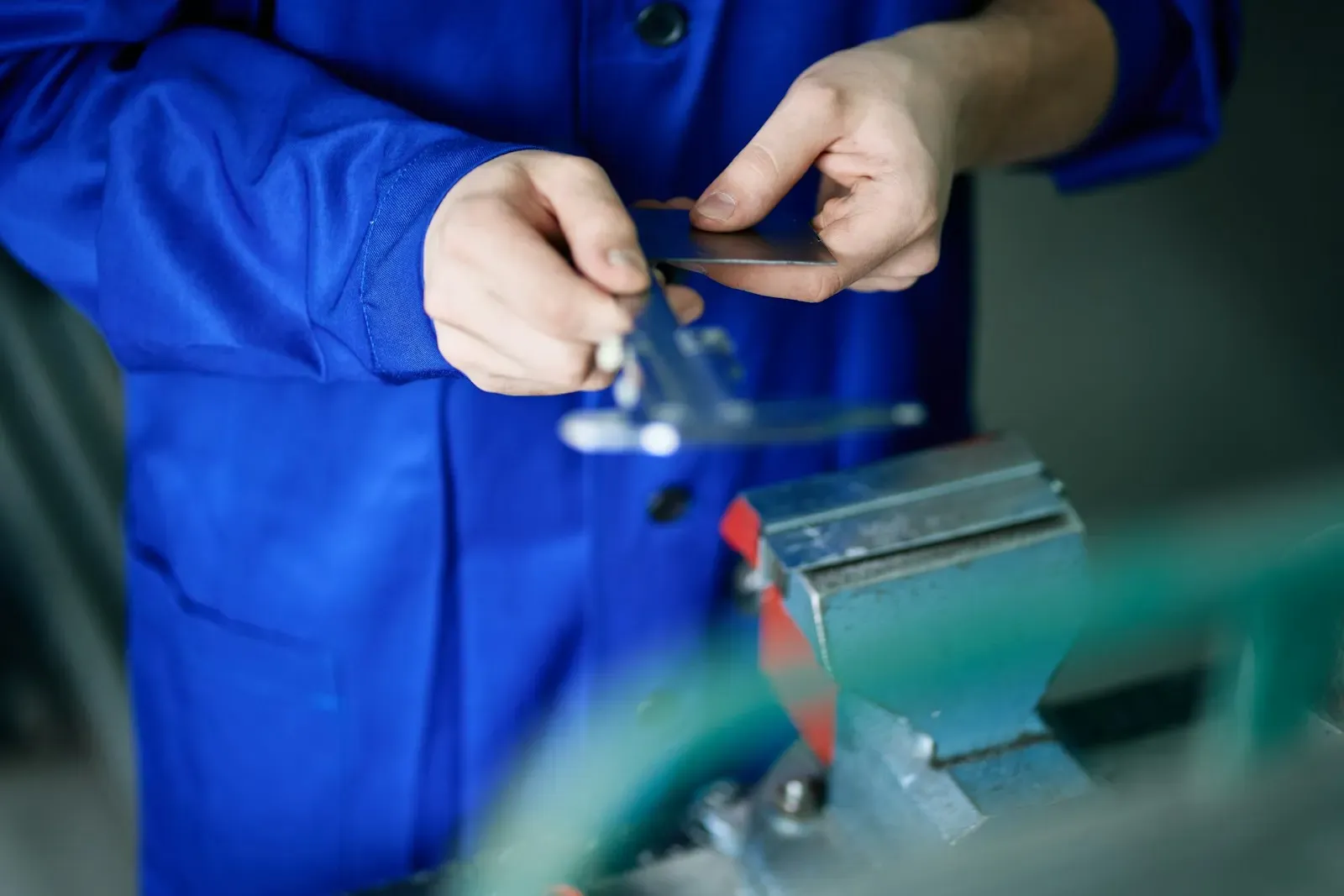
YOLO and DETR family detectors with multi-object tracking, measured in mAP and tuned for your object sizes and frame rates.
Segmentation
Pixel-level masks with SAM and custom segmentation models for measuring defect area, sizing items or isolating regions.
OCR and layout parsing
Text, tables and key-value extraction from scans and photos, combining OCR engines with layout models for structured output.
Anomaly detection
Models trained mostly on good parts that flag anything unusual, useful when defect samples are rare.
Data labeling and curation
Labeling guidelines, active learning to pick the most useful images, and synthetic data to cover rare defects.
Edge deployment
Models quantized and compiled with TensorRT for NVIDIA Jetson and other edge hardware, so inference runs next to the camera.
Camera and stream integration
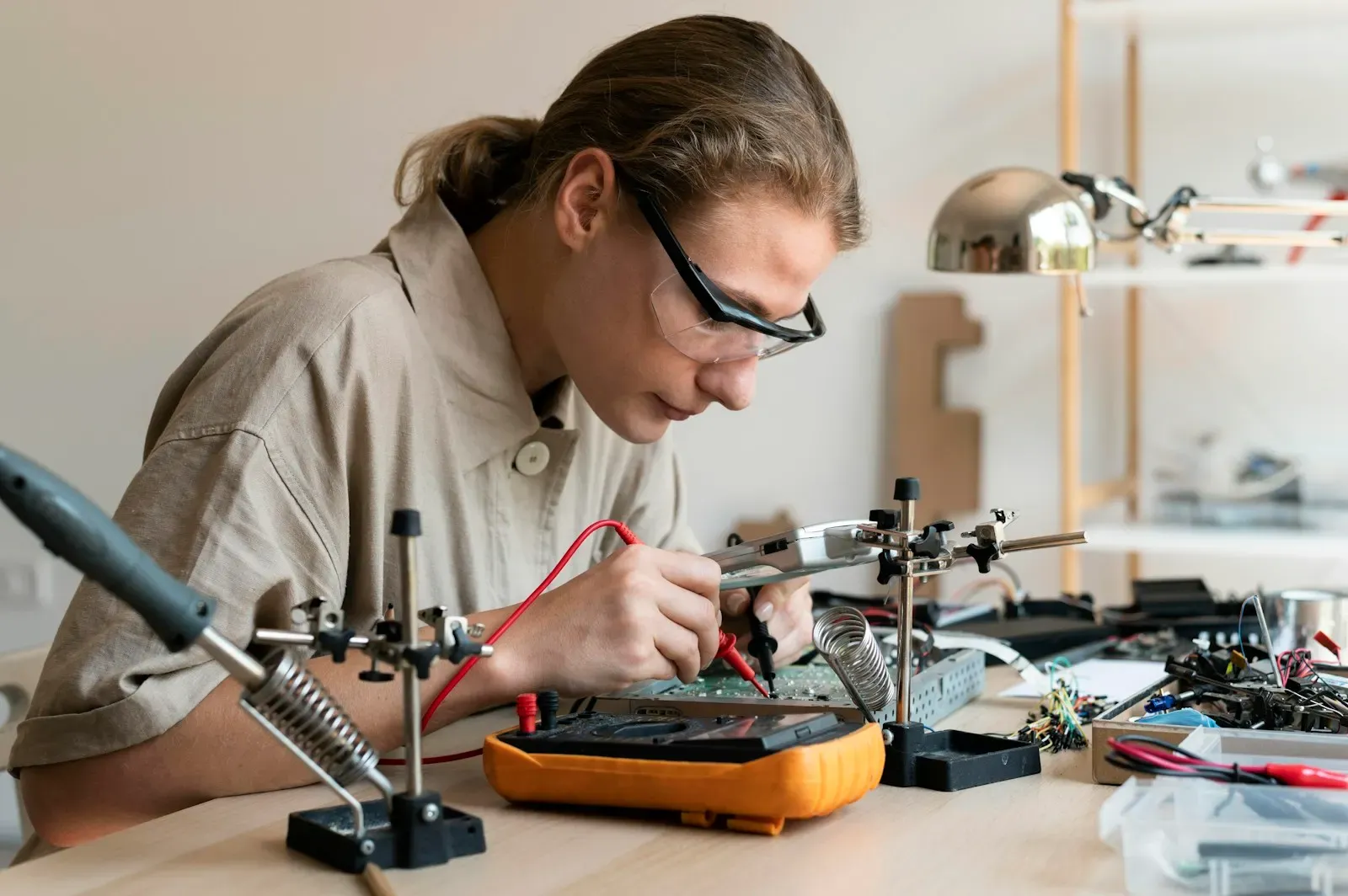
RTSP and GigE camera ingestion, PLC triggers and reject signals, so the model fits into the line instead of beside it.
Review and feedback loop
Low-confidence results go to a reviewer, and their corrections flow back into the next training round.
From Camera to Decision
Each stage is built so you can swap cameras, models or hardware without starting over.
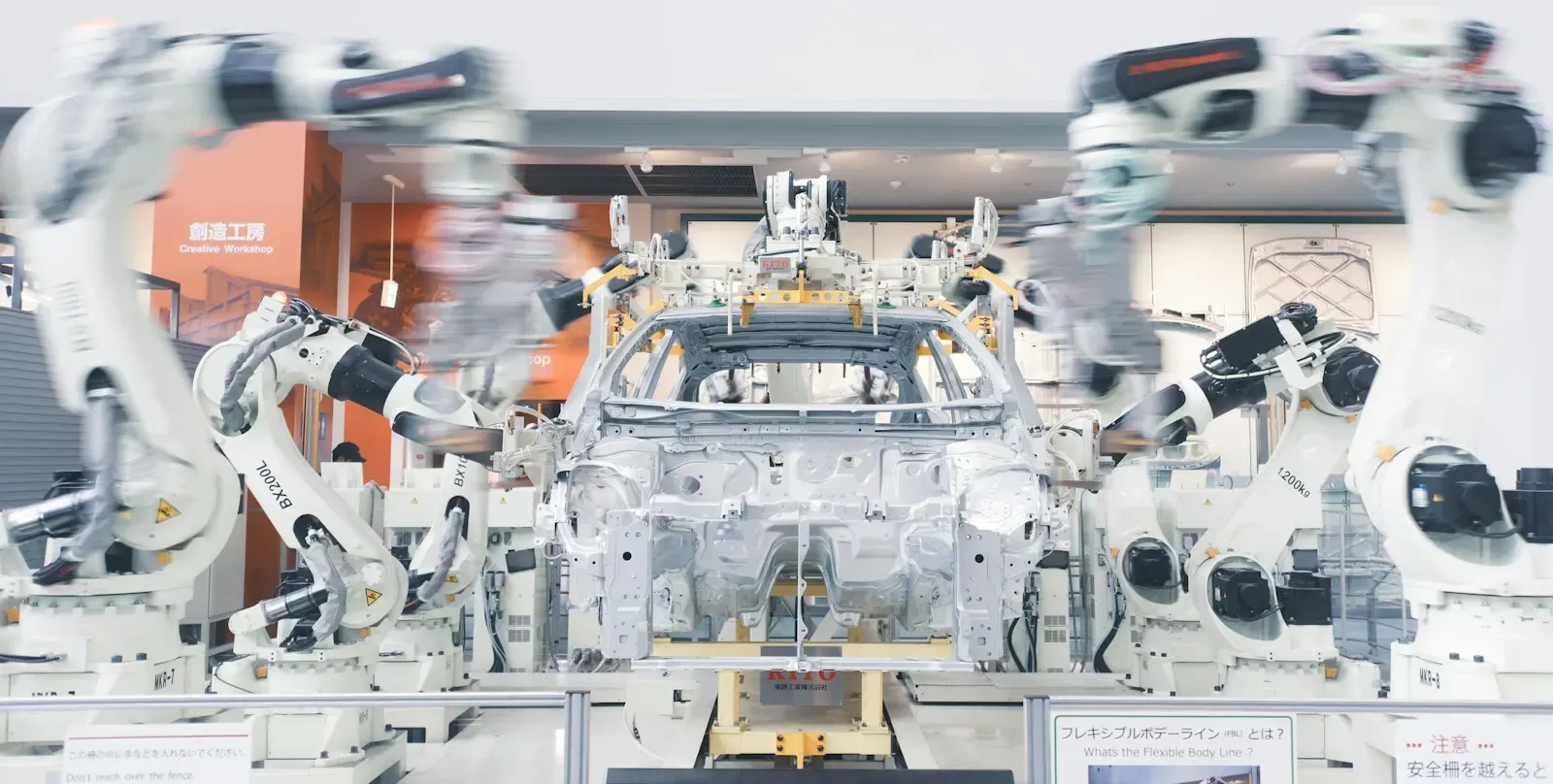
Send 50 Images From Your Line. Get an Honest Accuracy Estimate.
We label a sample, train a baseline and report what accuracy is realistic under your lighting and part variation before you commit to a build.
Book an Image Feasibility Study- Weeks to a station pilot on your images
- 5 to 10
- Weeks to a station pilot on your images
- Products shipped
- 100+
- Products shipped
- Industries served
- 14+
- Industries served
- Demos of working software
- Weekly
- Demos of working software
Vision Systems by Industry
The cameras differ, the question is the same: what should a person no longer have to look at?
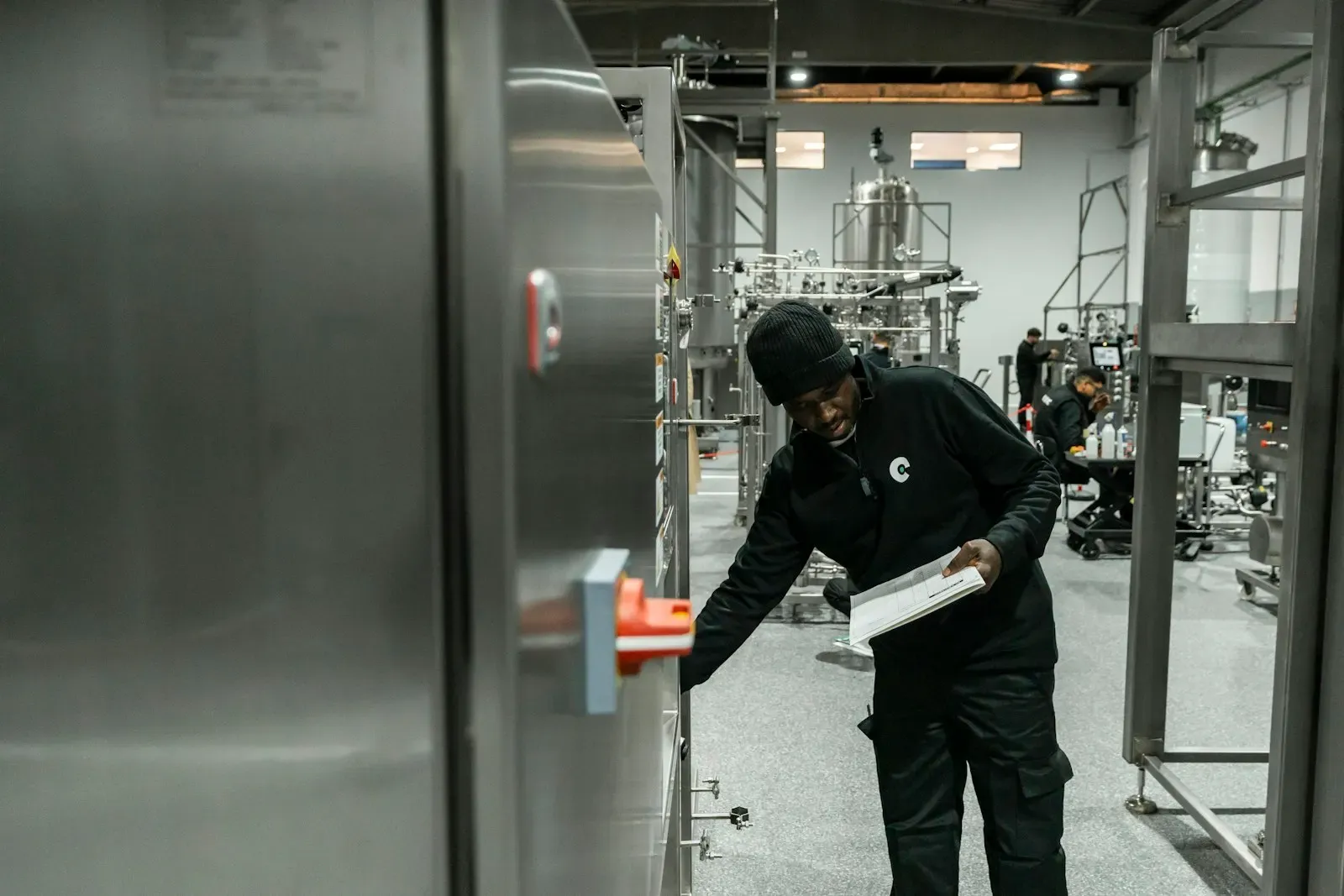
Manufacturing
Inspection at line speed for parts, welds and labels.
- Surface defect detection
- Assembly completeness checks
- Label and print verification
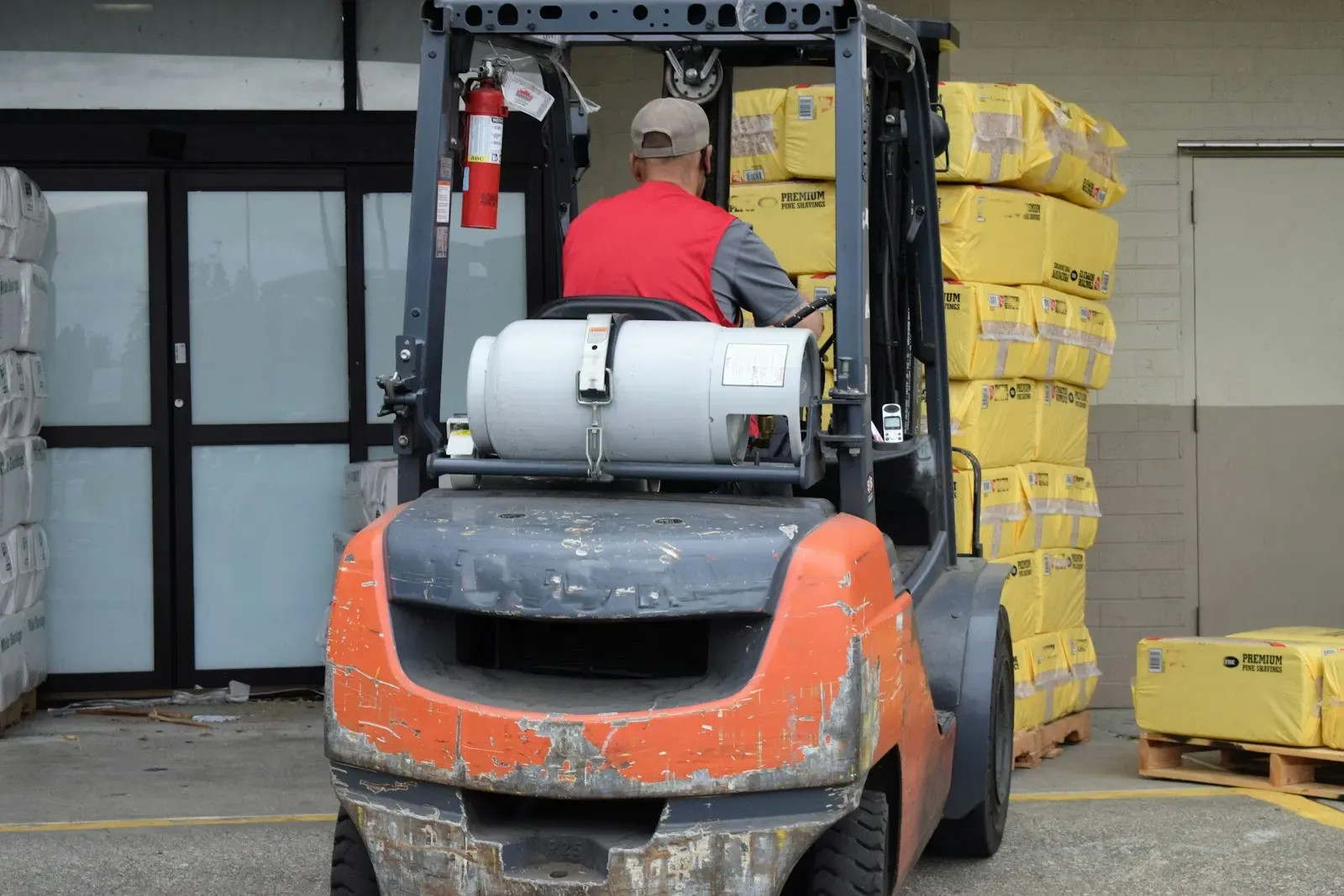
Logistics
Docks and warehouses that count, measure and read without scanners.
- Pallet and parcel counting
- Label and barcode reading
- Damage detection at receiving
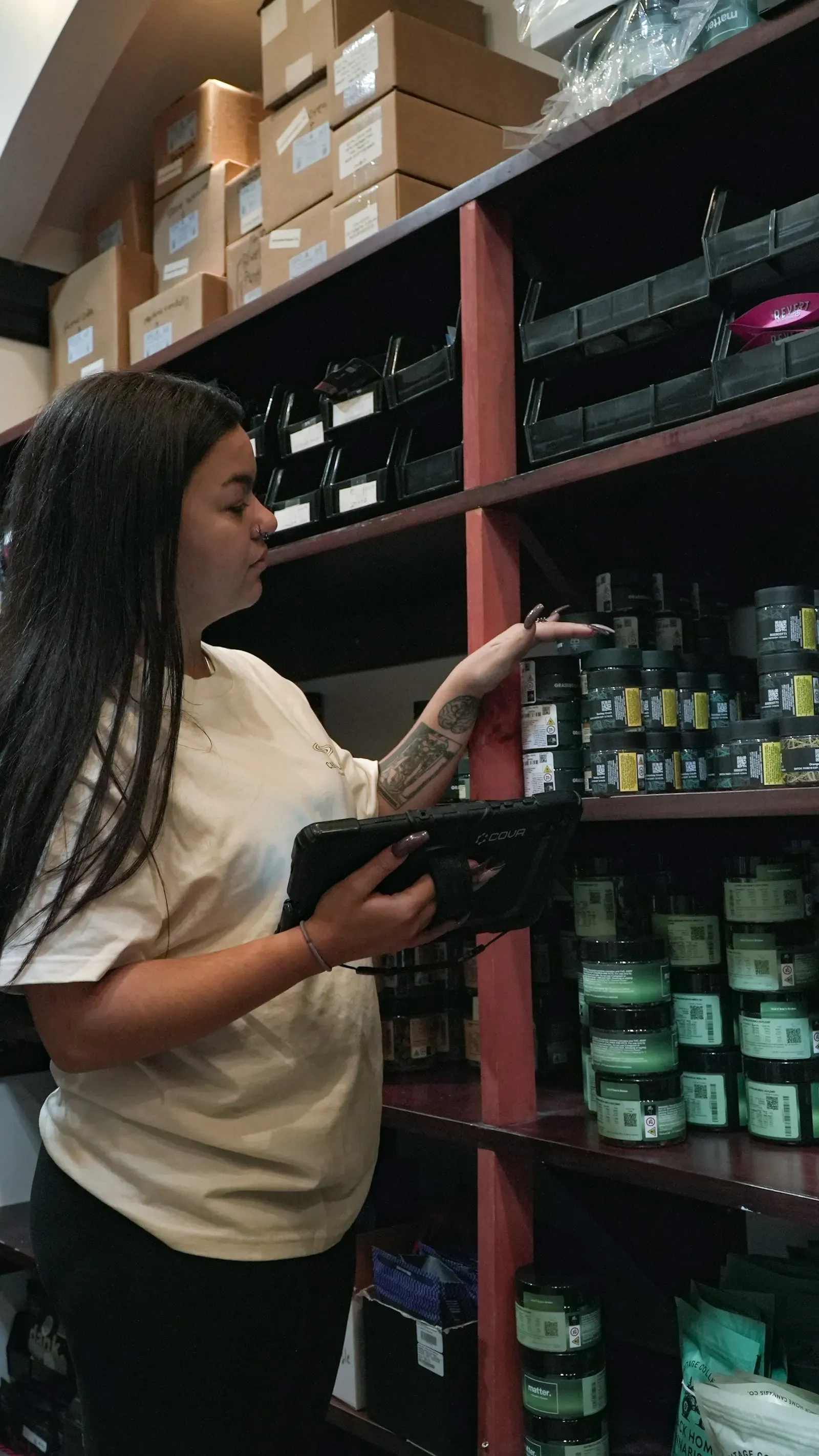
Retail
Shelf photos turned into stock and planogram data.
- Out-of-stock detection
- Planogram compliance
- Product recognition
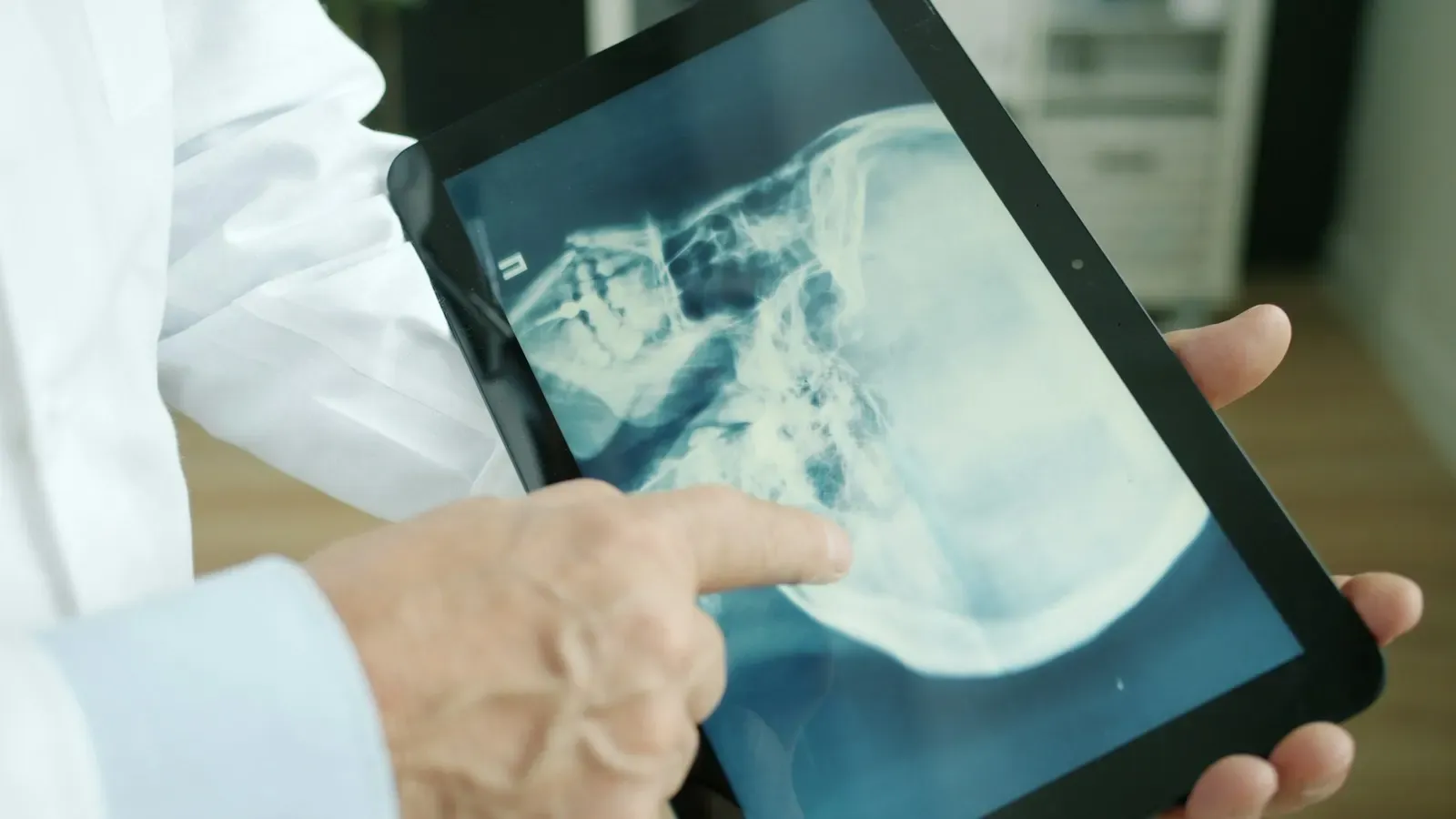
Healthcare
Assistive image review where a clinician makes the final call.
- Scan triage queues
- Document and form capture
- Equipment and supply tracking
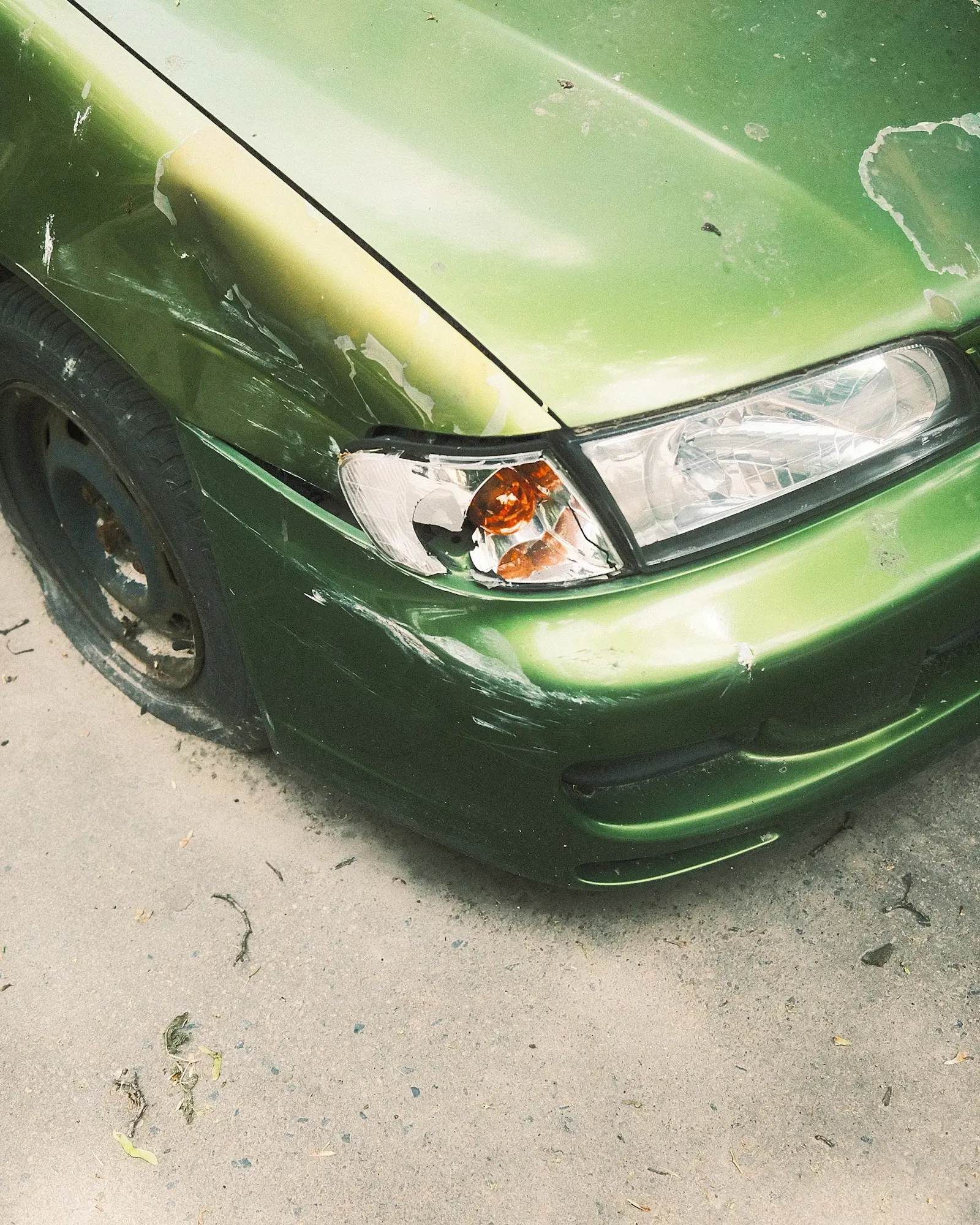
Insurance
Claims photos assessed for damage before an adjuster opens the file.
- Vehicle damage estimation
- Photo fraud checks
- Policy document extraction
Construction and facilities
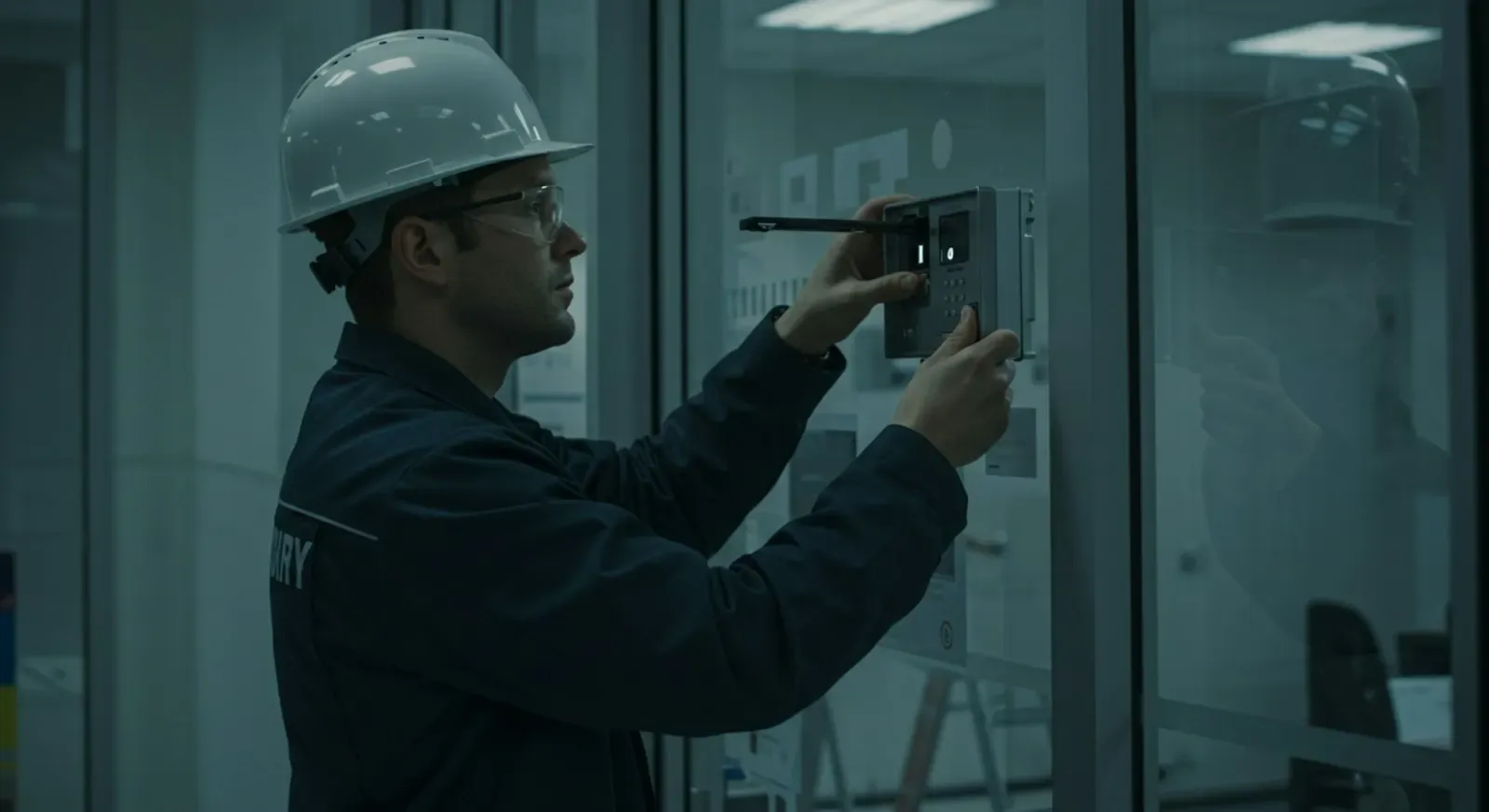
Site and building cameras that flag safety and progress issues.
- Safety gear compliance
- Restricted zone alerts
- Progress photo comparison
Vision AI With Clear Limits
Cameras capture people, documents and sensitive sites, so privacy and error handling are designed in from day one.
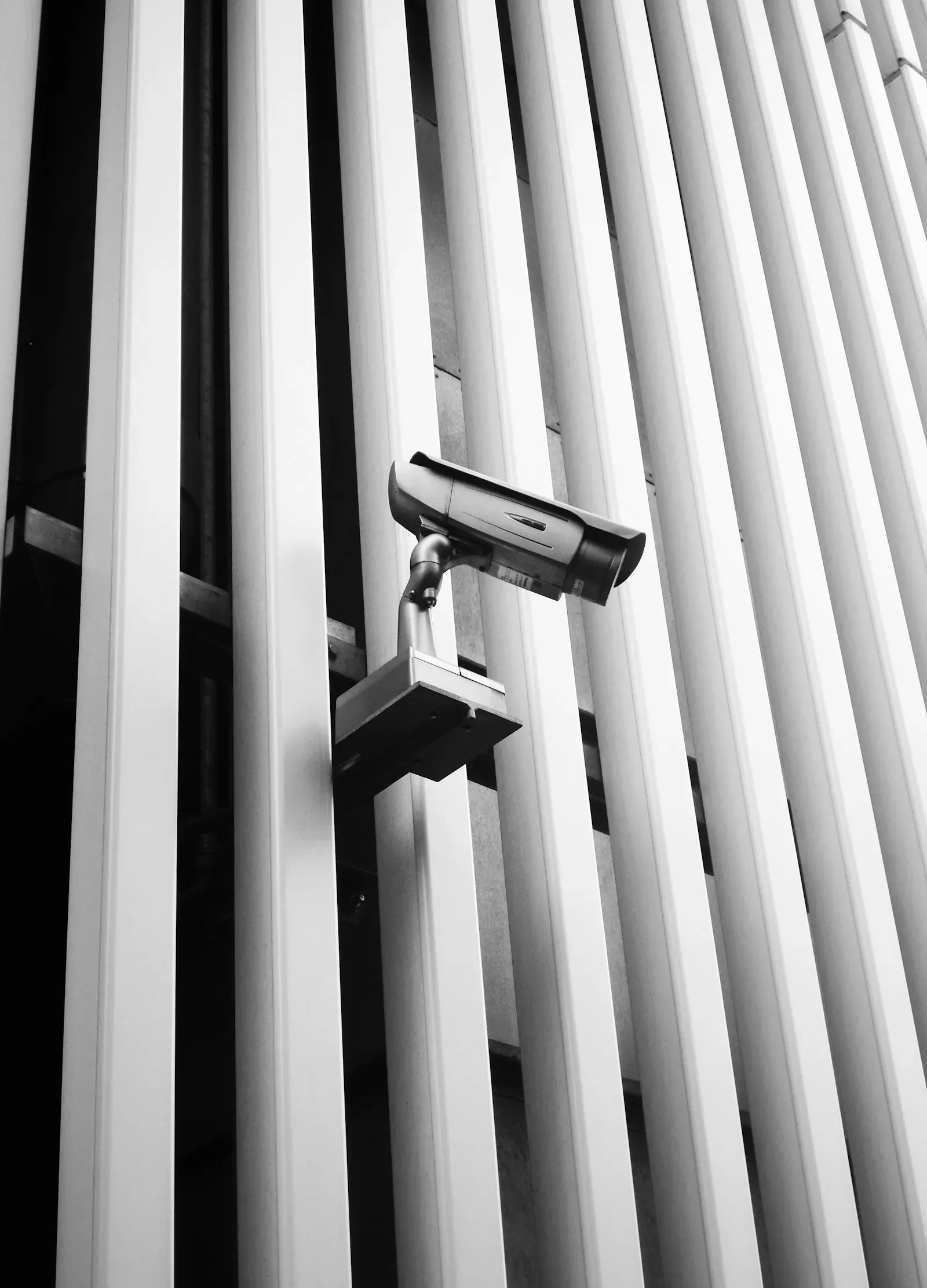
Faces and plates blurred on the device, before any frame is stored.
Measured error trade-offs
We tune thresholds with you on false reject rate and miss rate per defect type, so the balance between scrap cost and escapes is your decision.
Privacy by design
Face and license plate blurring, on-device processing and short retention windows keep personal data out of storage where it is not needed.
Held-out test sets
A frozen image set covering lighting changes, new part batches and rare defects scores every model before it reaches the line.
Human review on doubt
Low-confidence predictions are never auto-actioned. They go to a reviewer with the image, the mask and the model's reasoning.
Clients on Working With Us
 5.0Clutch
 5.0GoodFirms
- 5.0Google
- 4.9Upwork
I had the pleasure of working with Sajal Tech on a travel website, and it was an incredible experience from start to finish. They demonstrated professionalism, clear understanding of requirements, and excellent communication throughout.
Knowledgeable, efficient, and ahead of schedule. Will hire again.
They completed our project even when the scope changed slightly. They were cooperative when we wanted to add or modify features.
Vision Models and Tooling
We benchmark open models against your images first, then fine-tune the one that wins on accuracy, speed and hardware cost.
Detection and segmentation
- YOLO11
- RT-DETR
- SAM 2
- Detectron2
- Grounding DINO
- Anomalib
OCR and document AI
- PaddleOCR
- Tesseract
- Azure Document Intelligence
- Google Document AI
- AWS Textract
Vision-language models
- OpenAI GPT
- Gemini
- Claude
- Qwen-VL
- Florence-2
Edge and serving
- NVIDIA Jetson
- TensorRT
- DeepStream
- Triton
- ONNX Runtime
- OpenVINO
Data and training
- PyTorch
- OpenCV
- CVAT
- Label Studio
- Roboflow
From Sample Images to a Working Line
We validate on your images before anyone buys hardware, then scale from one station or document type to many.
1 to 2 weeks
Image feasibility study
Review sample images, camera setup and defect types, then run baseline models to estimate the accuracy you can expect.
- Feasibility report
- Hardware advice
- Fixed quote
2 to 4 weeks
Labeling and training
Build the labeled dataset, fine-tune detectors or OCR models and report mAP, recall and false reject rate on held-out images.
- Trained model
- Test set results
2 to 4 weeks
Station pilot
Deploy on one line, site or document flow, running in parallel with manual checks to compare results.
- Edge or cloud deployment
- Pilot report
Ongoing
Rollout and retraining
Extend to more stations and part types, and retrain on reviewer corrections as products and conditions change.
- Fleet deployment
- Retrain schedule
- Monthly metrics
Computer Vision Pricing
Indicative starting prices. Cameras and edge hardware are quoted separately once we know your setup.
Option 1
Vision prototype
One detection, inspection or OCR task proven on your sample images.
From
$2,500
Timeline
2 to 3 weeks
- Image feasibility study
- Baseline model
- Accuracy report
- Hardware recommendation
Option 2
Production vision system
A trained model deployed at one site or workflow, with a review app.
From
$15,000
Timeline
6 to 10 weeks
- Labeled dataset
- Fine-tuned model
- Edge or cloud deployment
- QA review interface
- 30 days of support
Option 3
Multi-site vision platform
Many cameras, sites or document types managed from one platform.
From
$40,000
Timeline
3 to 6 months
- Device fleet management
- Model registry and OTA updates
- Central dashboards
- Continuous retraining
Computer Vision Questions
Still deciding? A 30-minute call usually answers the rest.
Ask Us DirectlyFor a focused detection task, a few hundred well-labeled images per class is often enough to start, because we fine-tune pretrained models. Rare defects can be covered with anomaly detection or synthetic images. The feasibility study tells you what your data supports.
A prototype on your sample images starts from $2,500, a production system at one site from about $15,000, and multi-site platforms from $40,000. Cameras, lighting and edge devices are extra and depend on line speed and resolution.
We cannot promise a number before seeing your images, but we measure it early. The feasibility study gives an estimate, and every model is scored on held-out images using mAP, recall and false reject rate before it goes live.
Edge devices such as NVIDIA Jetson suit production lines that need decisions in tens of milliseconds or have limited bandwidth. Cloud inference suits document processing and batch video analysis. Many setups use both, with the edge doing detection and the cloud doing retraining.
Usually yes. We connect to RTSP, ONVIF and GigE Vision cameras. If image quality is the limiting factor, we recommend specific lighting or lens changes, which often matter more than the model.
Vision-language models like GPT and Gemini are useful for open-ended questions about images and for low-volume tasks. For high-volume inspection with strict latency and cost limits, a fine-tuned detector is faster, cheaper per image and more consistent.
We blur faces and plates on device, avoid storing raw video where it is not needed and set short retention periods. Processing can stay fully on premises if your policies require it.
Monitoring tracks confidence and reject rates per station. When they shift, reviewer-corrected images feed a retraining round, and the new model is tested on the frozen test set before it is rolled out.
You do. Labeled images, trained weights, deployment code and documentation all belong to you, with the source code and IP fully transferred.
Let's build your next product together
Book a free strategy call and leave with a clear plan and estimate. No commitment.
- 01Pick a time that suits you
- 0230 minutes on scope, stack, timeline and budget
- 03Fixed-price proposal, NDA on request