[ AI dynamic pricing ]
Set Each Price From Demand, Stock and Competition, Not Guesswork
We build pricing models that learn how demand responds to price, track competitors and inventory, and recommend prices inside the floors, ceilings and rules your team controls.
Cold brew coffee, 1 L (example)
Live$012345678901234567890123456789
Baseline for a normal Tuesday
Why Static Prices Leave Money on the Table
Prices set once a quarter cannot keep up with demand, stock or competitors.
Three weeks of demand against one fixed price (example)
- 01
Underpricing in peaks
High-demand weeks sell out early at prices that could have been higher, and late customers find nothing on the shelf.
- 02
Overpricing in lulls
Slow weeks leave stock sitting at full price until it needs a deep markdown or a write-off.
- 03
Competitor blind spots
Rivals change prices daily while your team checks a sample of products once a week.
- 04
Manual repricing
Updating thousands of products by hand is slow, error-prone and impossible to explain after the fact.
The Model Searches for the Best Price Inside Your Guardrails
One example product. The curve shows expected weekly profit at each price, learned from how demand moved when prices changed in the past.
- Price
- $4.79
- Units a week
- 888
- Profit a week
- $2,123
Expected profit up 1.6% on this product. Small per item, large across a catalog.
A Week of Pricing Decisions
Example situations the system handles, and the guardrail that keeps each change in bounds.
How We Build Your Pricing System
We start with recommendations your team approves, then automate where results are proven.
01Pricing audit
Output: Pricing opportunity map
We review price history, sales, costs and competitor data to see where elasticity can be measured.
02Elasticity models
Output: Elasticity estimates
Demand response to price is modeled by product group, season and channel.
03Rules and recommendations
Output: Recommended prices
Prices are optimized for your goal within the guardrails you set.
04Experiments and rollout
Output: Live pricing with results
Controlled tests prove the gain before recommendations go live automatically.
You Decide How Much Runs on Its Own
Most clients start at the first level and move product groups up as experiments prove the gains.
- Level 1
Recommend
The system suggests prices with reasons. Your pricing team approves every change.
Changes that go live on their own0% - Level 2
Auto inside a band
Small moves inside tight limits go live automatically. Anything larger waits for approval.
Changes that go live on their own60% - Level 3
Automatic
Proven product groups reprice on their own, with daily reports and an instant rollback.
Changes that go live on their own100%
What the System Does
Pricing power with control kept in your hands.
- 01
Elasticity modeling
How each product or group responds to price changes.
- 02
Competitor monitoring
Rival prices tracked and factored into recommendations.
- 03
Inventory-aware prices
Prices that respond to stock levels and expiry dates.
- 04
Segment pricing
Prices by channel, region or customer type where your policy allows.
- 05
Guardrails
Floors, ceilings, margin targets and price-change limits.
- 06
Price experiments
A/B and holdout tests that measure the true effect of a change.
Every Change Is Proven Against a Control Group
Before prices go live automatically, a share of stores or traffic keeps the old prices. The difference is the real effect, separated from season, weather and promotions.
Illustrative result. Your lift depends on products, competition and how much room prices have to move.
What We Measure With You
Targets are set per product group; results are measured with controlled experiments.
- RevenueRevenue per product group against control
- Gross marginMargin after price changes
- Sell-throughStock sold before markdown or expiry
- Price indexYour price position against key competitors
Data the Models Use
- 01Price and sales history
- 02Product costs and margins
- 03Inventory levels
- 04Competitor prices
- 05Promotions and calendars
- 06Customer segments and channels
Pricing Stack
Models, experiments and a pricing console for your team.
Models
- scikit-learn
- XGBoost
- PyMC
- Reinforcement learning



Data
- PostgreSQL
- Snowflake
- dbt
- Apache Kafka
Serving
- FastAPI
- Redis
- Docker
Apps
- React dashboard
- Shopify
- Magento

Where It Fits


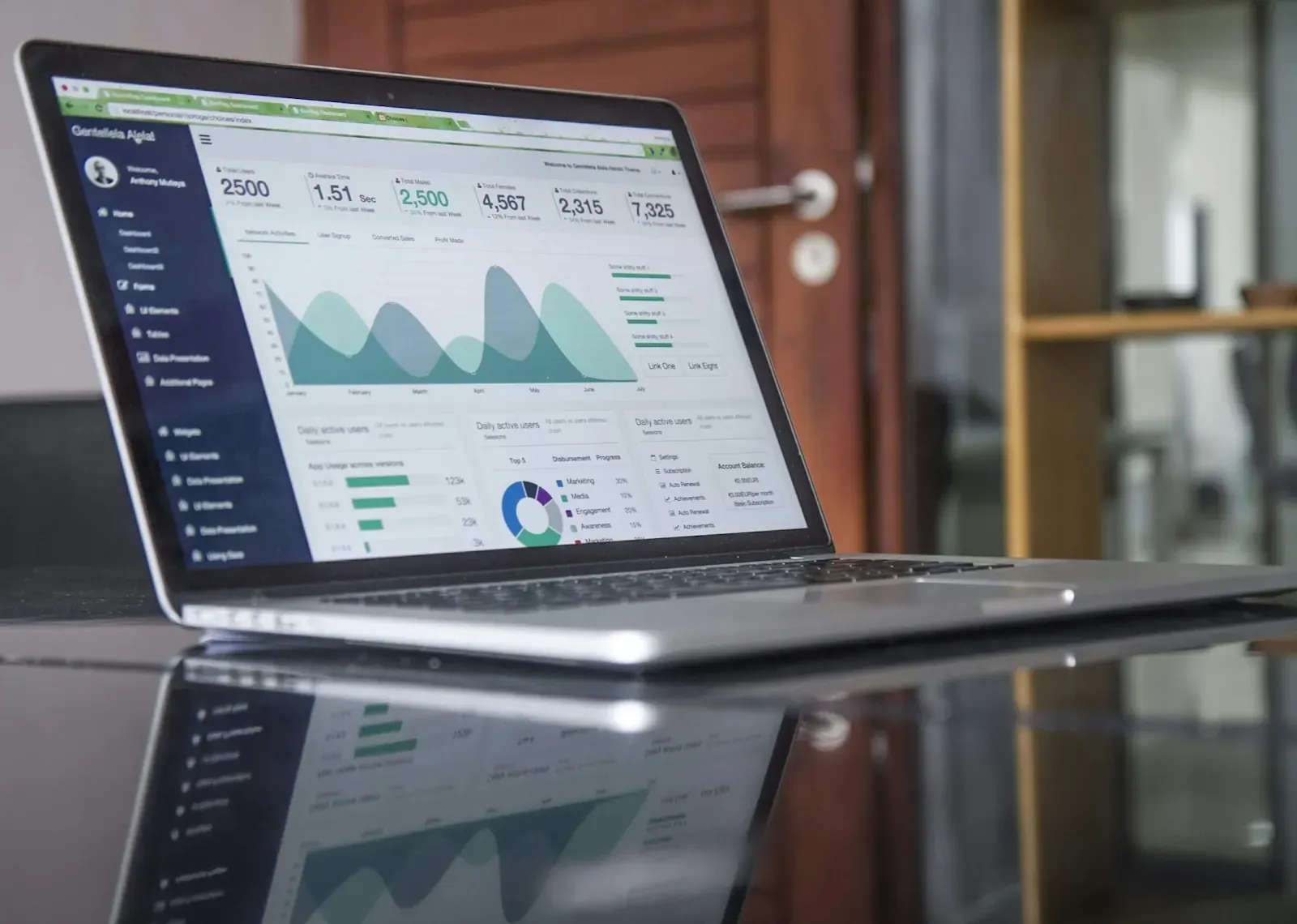


[ Start with an assessment ]
Find Out Where Your Prices Have Room to Move
In three to four weeks we measure elasticity on your own sales history and show which product groups are leaving margin on the table.
Book a Pricing CallDynamic Pricing Cost
Indicative starting prices. Competitor data feeds are billed separately.
Get a Fixed QuotePricing assessment
from$3,500
Data audit and elasticity study for one product group. 3 to 4 weeks.
Pricing engine
from$15,000
Recommendations, guardrails, console and experiments. 8 to 12 weeks.
Automated pricing
from$40,000
Catalog-wide pricing with competitor feeds and automation. 4 to 6 months.
What You Own at Handover
- Elasticity and optimization models with their training code
- Pricing console for recommendations, approvals and overrides
- Guardrail rules your team can edit without engineers
- Experiment framework with control groups and reporting
- Competitor price feed integration
- Runbooks and a handover workshop for your pricing team
What Commercial Teams Say
Rated 4.9/5 on average across the platforms clients review us on.
 Clutch5.0
 GoodFirms5.0
- Google5.0
- Upwork4.9
I had the pleasure of working with Sajal Tech on a travel website, and it was an incredible experience from start to finish. They demonstrated professionalism, clear understanding of requirements, and excellent communication throughout.
Dynamic Pricing Questions
Only if you choose that. Most clients start with recommendations their team approves, then automate the groups where results are proven.
Yes. Floors, ceilings, margin targets, maximum change per day and rules for key items are all set by your team.
Through data providers, marketplace APIs or approved collection methods, depending on your market.
Rules vary by country and sector. We design to your legal guidance and can limit pricing to channel, region or time.
We run controlled experiments that compare optimized prices with a control group, so gains are measured, not assumed.
Yes. Products are grouped by how they respond to price, so even items with little history get sensible recommendations, and the whole catalog can be repriced in one run.
Every change is logged with its reason and can be rolled back in one step. Guardrails catch most mistakes before they go live, and alerts flag unusual moves.
In your cloud account. We work under NDA and follow ISO 27001 practices.
Let's build your next product together
Book a free strategy call and leave with a clear plan and estimate. No commitment.
- 01Pick a time that suits you
- 0230 minutes on scope, stack, timeline and budget
- 03Fixed-price proposal, NDA on request