
[ AI tools · Development ]
Kiro: Agree the Spec, Then Let the Agents Build
AWS’s Kiro turns a prompt into requirements, a design and a task list before it writes code. We use that spec-first flow when you want to review the plan, and trace every change back to it.
Requirements.md01
- R1Customers can reset their password by email
- R2Reset links expire after 30 minutes
Design.md02
- D1from R1, R2reset_tokens table with expiry and single use
- D2from R1POST /password-reset and /password-reset/confirm
- D3from R1Rate limit: 3 requests per hour per account
Tasks.md03
- T1from D1Migration for reset_tokens
- T2from D2Request and confirm endpoints
- T3from D1Property test: expired tokens always rejected
- T4from D3Email template and rate limiter
An Agentic IDE Built Around the Spec
Kiro, from AWS, is an IDE where agents can either just code or first agree a written plan with you. Flip the switch.
The full flow when the work needs a reviewed plan before code.
- 1requirements.md: user stories with acceptance criteria
- 2design.md: the technical design
- 3tasks.md: a sequenced task list
- 4Agent works task by task, each traced to a requirement
- Specs
- Requirements, a design document and a task list, all as files in your repository.
- Steering
- Project files that describe your product, stack and conventions, read by every agent session.
- Agent hooks
- Automations that run an agent on events such as saving a file, adding a route or changing a spec.
- Property-based tests
- Tests generated from the requirements that check a rule holds for many inputs, not just one example.
- MCP and the CLI
- Connections to your docs, tickets and AWS services, and a terminal client for the same agents.
One Requirement, Built Clause by Clause
Kiro writes acceptance criteria in EARS notation, a structured way to state triggers, responses, limits and unwanted cases. We review every one with you.
WHENa customer requests a password reset THE SYSTEM SHALLemail a single-use reset link WITHIN60 seconds IFthe link is older than 30 minutes, THE SYSTEM SHALL reject it and offer a new one.
Example acceptance criterion for requirement R2.
From a Sentence in the Spec to a Merged Pull Request
Every task, test and commit points back to the requirement it serves. When an auditor or a new engineer asks why code exists, the answer is one click away.
- Requirement R2
Reset links expire after 30 minutes.
- Design D1
reset_tokens stores expires_at and used_at; confirm checks both.
- Task T3
Write the expiry check and its property test.
- Property test
For any token older than 30 minutes, confirm returns 410 and issues nothing.
- Commit
feat(auth): reject expired reset tokens, refs R2, D1, T3.
- Pull request
Reviewed against R2 by the engineer who owns auth, then merged.
The Chores Run Themselves, the Rules Stay Written Down
Steering files hold your conventions; hooks run an agent when something happens. These are hooks we commonly set up.
- On save of a componentUpdate its tests and story so they never drift from the code.
- On a new API routeRegenerate the OpenAPI document and the client SDK.
- Before a commitScan for secrets and personal data, and block the commit if found.
- On a spec changeRe-check which tasks the change affects and flag them for review.
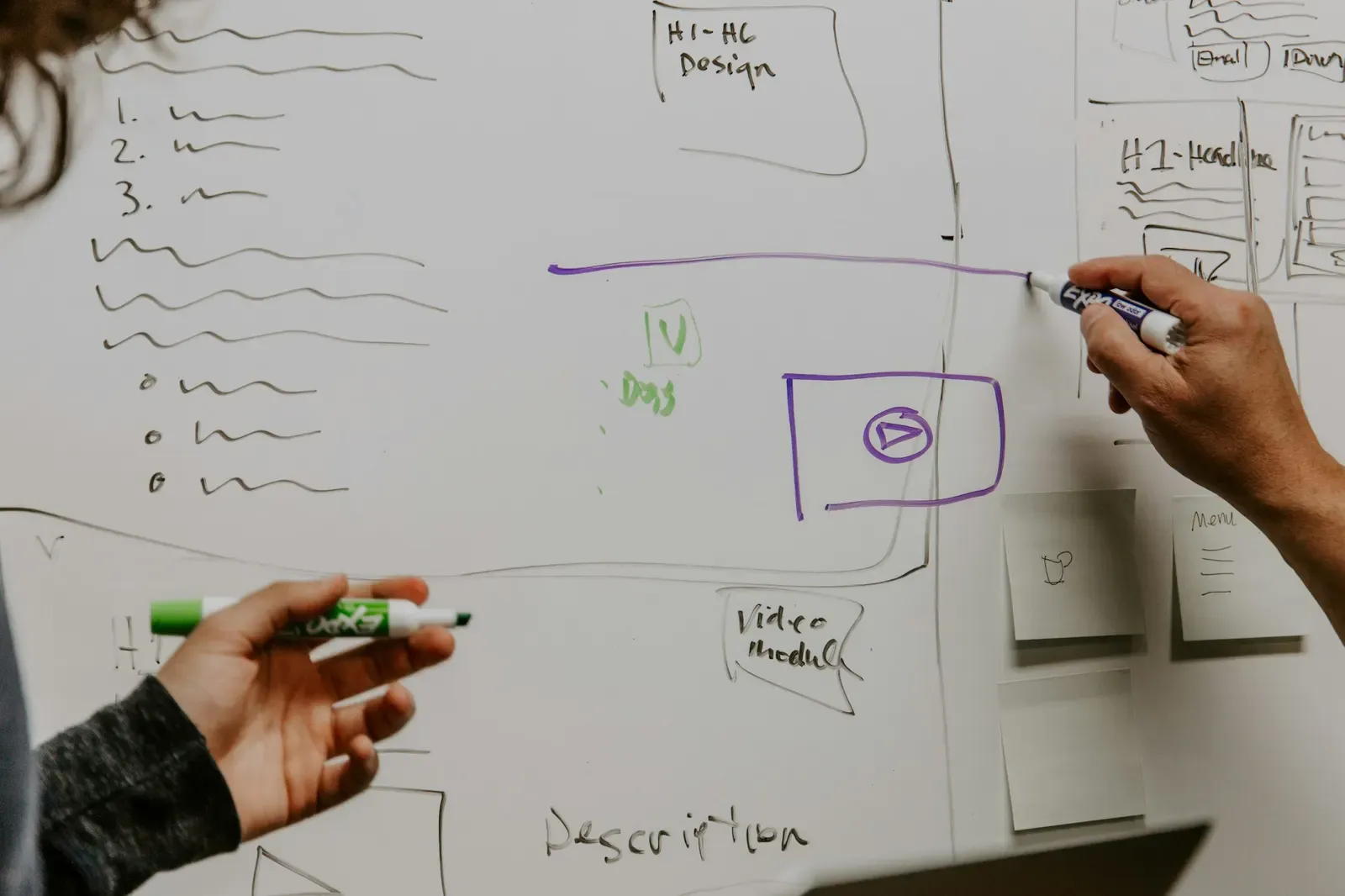
The design review happens before the buildYou approve requirements and design in one meeting, not in a pull request two weeks later.
Kiro Fits Organizations Already Running on AWS
Sign-in
Teams sign in with AWS IAM Identity Center, managed like any other AWS access.
Shared steering
Organization conventions in steering files every repository inherits.
AWS-aware agents
MCP connections to AWS documentation and services for infrastructure work.
Plans per developer
Free and paid tiers with usage limits, billed through AWS for teams.
Admit One Spec-Driven Build
Packages from $1,500; custom projects from $8,000.
- MVPMVP in 3 WeeksOne core journey specified in Kiro, built task by task and launched.$8,000 to $15,0003 weeksDetails
- DEVDedicated Developer TrialA senior engineer who brings Kiro's spec workflow into your team for a month.$3,000 to $5,000/mo1 monthDetails
- PRDSpec-driven product buildA full product planned as specs, with steering, hooks and property-based tests from day one.From $8,000Timeline set by scopeScope it
Client asked
What is spec-driven development in Kiro?
Sajal Tech replied
Before writing code, Kiro turns a request into requirements with acceptance criteria, a design document and a task list. You review and edit those files, then agents implement the tasks, with each change linked back to the spec.
Client asked
When is Kiro the right choice?
Sajal Tech replied
When the work needs a reviewed plan: regulated features, integrations with clear contracts or teams that want design agreed before code. For quick exploration, its vibe mode or another editor is faster.
Client asked
Do we need to be on AWS to use Kiro?
Sajal Tech replied
No. Kiro works on any codebase. Teams on AWS benefit most, because sign-in, billing and AWS-aware tooling fit what they already run.
Client asked
What are property-based tests?
Sajal Tech replied
Tests that check a rule holds for many generated inputs, for example that every expired token is rejected, rather than one hand-picked example. Kiro can generate them from the requirements, which catches edge cases a single test misses.
Client asked
Can Kiro use our existing VS Code setup?
Sajal Tech replied
Yes. Kiro is built on Code OSS, so most VS Code settings, themes and extensions carry over.
Client asked
How do you work with Kiro on our project?
Sajal Tech replied
We write steering files for your stack, agree the first spec with you, set up hooks for your chores and then build task by task, with every pull request reviewed against the requirement it serves.
Let's build your next product together
Book a free strategy call and leave with a clear plan and estimate. No commitment.
- 01Pick a time that suits you
- 0230 minutes on scope, stack, timeline and budget
- 03Fixed-price proposal, NDA on request